




Definition of Credit
Credit means borrowing money or receiving goods and services now.
You agree to pay back later, usually with interest or fees.
It helps individuals and businesses meet their financial needs promptly.
Credit allows people to improve their purchasing power beyond their current savings.
Common Forms of Credit Used in Nigeria
Personal Loans
Personal loans are funds granted by banks or microfinance institutions.
Individuals use these loans for emergencies, education, or business start-ups.
For example, Heritage Bank offers personal loans with flexible repayment terms.
Credit Cards
Credit cards provide a revolving line of credit for daily expenses.
Customers can purchase items and pay the balance over time.
Access Bank and Guaranty Trust Bank are major issuers of credit cards in Nigeria.
Overdraft Facilities
Overdraft allows account holders to withdraw beyond their account balance.
It helps cover short-term cash flow gaps for businesses and individuals.
FirstBank Nigeria PLC frequently offers overdraft services to its clients.
Trade Credit
Trade credit involves suppliers allowing delayed payment for goods supplied.
Many Nigerian businesses rely on trade credit to manage inventory and cash flows.
Your Personalized Financial Plan
Get expert financial advice tailored exclusively to your goals. Receive a custom roadmap in just 1-3 business days.
Get StartedFor instance, Lagos-based companies often negotiate payment terms with wholesalers.
Microcredit
Microcredit targets low-income earners who lack access to traditional loans.
Organizations like LAPO Microfinance provide small loans to entrepreneurs.
This credit form encourages financial inclusion and business growth.
Hire Purchase and Instalment Sales
In hire purchase, buyers acquire goods immediately but pay over time.
This method is common in purchasing vehicles and electronics in Nigeria.
Companies like JAGACOM Limited offer hire purchase services nationwide.
Mortgage Loans
Mortgage loans assist individuals in buying property or land.
They involve long-term repayment plans with collateral as security.
Union Homes Mortgage Bank provides home financing solutions across Nigeria.
Significance of Understanding Various Forms of Credit
Knowing these credit types helps Nigerians make informed financial choices.
It prevents misuse and overdependence on costly borrowing options.
Furthermore, understanding credit terms improves personal and business financial health.
The Current Credit Landscape and Accessibility Challenges in Nigeria
Overview of Credit Availability in Nigeria
Access to credit plays a crucial role in economic growth and development.
Unlock a Debt-Free Future with Our Unique Strategies
Imagine a life unburdened by debt—a reality we help you visualize and achieve. We offer personalized strategies tailored to your unique situation, guiding you step-by-step toward financial freedom.
Start TodayMany businesses and individuals in Nigeria rely on credit to fund their operations.
Credit availability remains uneven across different sectors despite its importance.
Commercial banks such as Fidelity Bank and Zenith Bank provide credit facilities to borrowers.
Access is often limited by strict lending conditions and high interest rates.
Microfinance institutions offer credit targeting small entrepreneurs across the country.
The overall credit penetration in Nigeria lags behind global averages.
Barriers to Credit Accessibility
Poor credit information restricts lenders from assessing borrower risks accurately.
The Credit Bureau Association of Nigeria collects data, but coverage remains insufficient.
Many small businesses and individuals lack formal credit histories, reducing eligibility.
High collateral requirements exclude numerous potential borrowers from access.
Banks often demand land titles or fixed assets as security for loans.
Gender and regional disparities limit access for women and rural populations.
Loan application processes are often cumbersome and discourage many from seeking credit.
Corruption and bureaucratic inefficiencies cause delays and increase costs for borrowers.
Unlock Untapped Nigerian Wealth with Our Expert Advice
Imagine accessing investment opportunities others overlook—stocks, bonds, real estate, small businesses tailored to you. We offer personalized advice you won't find elsewhere, guiding you to financial success.
Unlock WealthGovernment and Institutional Efforts to Improve Access
The Central Bank of Nigeria implements policies to enhance credit flow to critical sectors.
The Anchor Borrowers’ Scheme targets smallholder farmers with subsidized loans.
Initiatives promoting digital lending platforms help reach underserved communities.
Companies like Carbon and Renmoney offer quick loans through mobile applications.
Despite these efforts, many Nigerians remain unaware of available credit products.
Improving financial literacy is essential to increasing credit facility utilization.
Collaboration among regulators, banks, and fintech firms is required to build trust and transparency.
Economic Effects of Limited Credit Access
Restricted credit access stifles entrepreneurship and limits business expansion opportunities.
Many startups fail to scale their operations due to insufficient funding.
This situation contributes to high unemployment, especially among Nigerian youth.
Households face difficulties managing emergencies and investing in education.
Poverty persists in many communities due to economic exclusion.
Improving the credit environment can empower more Nigerians to achieve financial stability.
Raising awareness about credit implications is vital for sustainable economic progress.
The Importance of Credit for Personal Financial Growth and Business Expansion
Credit as a Tool for Personal Financial Growth
Credit enables individuals like Chinedu Okafor to access funds beyond their savings.
It helps create opportunities to invest in education, property, and other assets.
Moreover, responsible credit use builds a positive credit history.
This boosts future borrowing potential.
For example, Mariam Bello used a personal loan to start a successful small business.
Consequently, her improved credit score allowed her to secure better loan terms later.
Credit Facilitates Business Expansion
Companies such as Damilola Solutions rely on credit to fund growth initiatives.
Credit supports the purchase of inventory, upgrading equipment, and expanding operations.
Furthermore, it provides liquidity during cash flow gaps.
This ensures smooth business continuity.
Additionally, prudent borrowing helps businesses increase operational scale cautiously and sustainably.
Successful entrepreneurs like Amina Yusuf frequently use credit lines to seize market opportunities quickly.
Building Credit Knowledge Empowers Financial Decisions
Understanding credit terms helps individuals avoid high-interest debts and penalties.
It allows business owners to negotiate better financing deals and manage risk effectively.
For instance, Adeola Martins improved her company’s cash flow by restructuring existing loans.
Ultimately, credit literacy fosters financial discipline and long-term wealth creation.
Therefore, Nigerians should prioritize learning about credit to improve their economic prospects.
Common Forms of Credit and Their Uses
- Personal loans: Useful for education, medical expenses, or home improvements.
- Business loans: Provide capital for equipment, inventory, and expansion plans.
- Credit cards: Offer convenient access to short-term funds and build credit history.
- Overdrafts and credit lines: Help manage daily cash flow for individuals and businesses.
By selecting appropriate credit types, people like Tunde Afolayan optimize their financial opportunities.
Gain More Insights: Why Budgeting is the Foundation of Financial Literacy in Nigeria
Understanding Credit Scores and Their Impact on Future Borrowing Opportunities
What Is a Credit Score?
A credit score is a numerical representation of an individual's creditworthiness.
Financial institutions use it to evaluate loan applications quickly and effectively.
For example, Fidelity Trust Bank relies on credit scores when assessing mortgage requests.
Generally, a higher credit score increases the chances of loan approval.
Factors That Influence Credit Scores
Several key factors contribute to determining your credit score.
First, payment history reflects whether bills are paid on time consistently.
Next, outstanding debt shows the total amount of borrowed money currently owed.
Length of credit history measures how long credit accounts have been active.
Additionally, new credit inquiries and types of credit used affect the score.
How Credit Scores Affect Borrowing Opportunities
Credit scores directly impact interest rates offered by lenders.
Moreover, low credit scores can lead to loan rejections altogether.
For instance, Amina Alabi was declined a car loan due to a poor credit score.
Conversely, high scores unlock access to better financial products and terms.
Steps to Improve and Maintain Good Credit Scores
To start, always pay bills on or before the due date.
Furthermore, avoid accumulating high credit card balances unnecessarily.
It helps to regularly monitor your credit report for any inaccuracies.
Lastly, resist frequent loan applications that result in multiple credit inquiries.
The Importance of Credit Scores for Nigerians’ Financial Well-Being
Understanding credit scores helps Nigerians make informed financial decisions.
This knowledge enables smoother access to loans, mortgages, and credit cards.
Financial success depends on building and maintaining a healthy credit profile.
Hence, educating yourself on credit can improve long-term economic well-being.
Uncover the Details: Why Every Nigerian Should Learn About Compound Interest
Consequences of Poor Credit Management
Debt Accumulation
Poor credit management quickly leads to increasing debt.
Many Nigerians unknowingly rely on high-interest loans.
This behavior multiplies their financial obligations every month.
Consequently, loan repayments become difficult to sustain.
Moreover, late payments incur additional charges and penalties.
These fees escalate the total debt owed by individuals.
As a result, some resort to borrowing more credit.
This cycle traps individuals like Emeka Okafor and Aisha Bello into debt.
They struggle to escape growing financial liabilities.
Therefore, unmanaged credit often becomes a heavy burden.
Financial Stress
Continuous debt accumulation creates immense financial stress.
Individuals often face anxiety over meeting monthly obligations.
This worry affects their overall mental and emotional wellbeing.
For example, Ifeoma Nwosu experienced sleepless nights due to debt issues.
Additionally, poor credit management restricts access to essential services.
People hesitate to apply for new loans fearing rejection.
It also damages personal relationships because of money problems.
Furthermore, financial stress reduces productivity and focus at work.
This downward spiral impacts both career and family life.
Thus, understanding credit consequences helps avoid such hardships.
You Might Also Like: How Financial Literacy Can Transform Lives in Nigeria
The Role of Credit Bureaus and How Nigerians Can Monitor Their Credit Reports
Understanding Credit Bureaus in Nigeria
Credit bureaus collect and maintain credit information on individuals and businesses.
They help lenders assess the creditworthiness of potential borrowers.
In Nigeria, major credit bureaus include CRC Credit Bureau Limited and FirstCentral Credit Bureau.
These organizations compile credit histories from banks, microfinance institutions, and telecom companies.
Consequently, credit bureaus play a crucial role in the financial ecosystem.
They facilitate responsible lending by providing accurate credit data.
Moreover, they protect lenders from risky borrowers and reduce non-performing loans.
How Credit Reports Impact Nigerians
A credit report summarizes an individual’s borrowing and repayment history.
It affects one’s ability to access loans, credit cards, and mortgages.
Positive credit reports lead to better loan terms and interest rates.
On the other hand, poor credit reports can result in loan denials or higher costs.
Employers and landlords may also review credit reports to evaluate reliability.
Steps Nigerians Can Take to Monitor Their Credit Reports
Nigerians should regularly check their credit reports to spot errors or fraud.
First, they can request a free credit report annually from credit bureaus.
Many bureaus offer online portals where individuals can access their reports securely.
For example, CRC Credit Bureau provides an online platform to view credit profiles.
Users must create an account and verify their identity for accurate information.
Additionally, individuals can contact credit bureaus by phone or visit their offices.
It’s important to review all details carefully, including loan accounts and repayment status.
Addressing Errors and Disputes in Credit Reports
Errors in credit reports can harm credit scores and borrowing opportunities.
Nigerians should promptly report any inaccuracies to the credit bureau.
They must provide supporting documents to prove discrepancies or mistakes.
Credit bureaus are required to investigate and resolve disputes within a reasonable time.
Furthermore, individuals can follow up to ensure corrections reflect in their reports.
Building and Maintaining a Good Credit Record
Monitoring credit reports helps Nigerians stay aware of their financial standing.
Timely repayment of loans and credit cards improves credit profiles.
Keeping debt levels low relative to credit limits enhances creditworthiness.
Additionally, avoiding frequent loan applications prevents negative marks on reports.
Consistent financial discipline leads to better access to credit and economic opportunities.
See Related Content: How Financial Literacy Reduces Poverty in Nigerian Communities
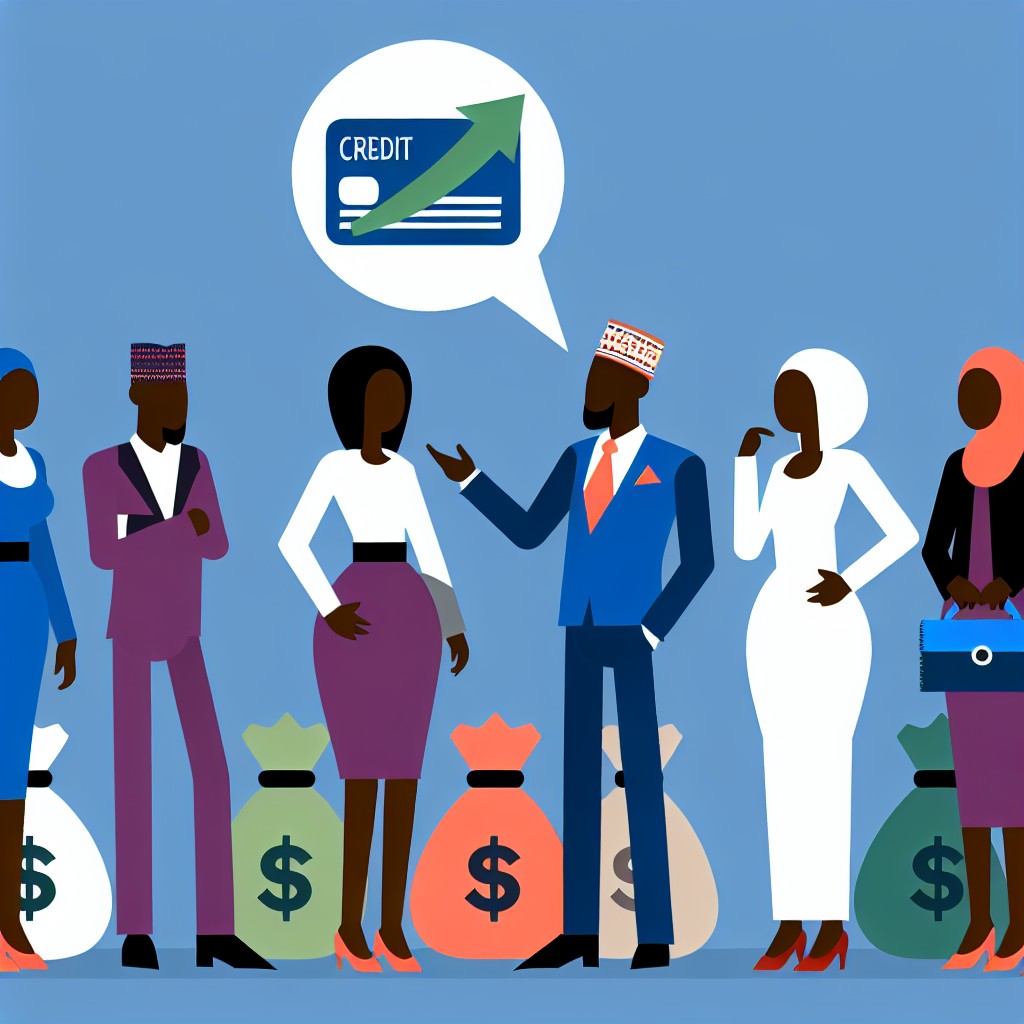
Strategies for Responsible Borrowing and Maintaining a Good Credit Profile
Understanding Your Borrowing Needs
Start by assessing your actual financial needs before borrowing.
Identify the purpose of the loan to avoid unnecessary debts.
Moreover, evaluate if you can repay the loan within the stipulated time.
Consult with financial advisors like Emeka Okoro from Lagos Finance Solutions for guidance.
Creating a Realistic Repayment Plan
Develop a clear repayment schedule aligned with your income flow.
Track due dates carefully to avoid late payments from companies like Zenith Bank.
Adjust your budget to prioritize debt repayment without compromising essentials.
Remember, timely payments strengthen your credibility with lenders.
Monitoring Your Credit Usage
Keep your credit utilization ratio below 30 percent for optimal credit health.
Avoid maxing out your credit cards or loans provided by financial institutions such as Sterling Bank.
Regularly review your credit reports from credit bureaus like CRC Credit Bureau Limited.
Report discrepancies promptly to maintain an accurate credit history.
Building a Positive Credit History
Establish credit gradually by taking small loans or credit lines.
Sign agreements with trusted lenders like First City Monument Bank who report to credit bureaus.
Pay off borrowed amounts before requesting additional credit to demonstrate responsibility.
Use mobile payment platforms such as PayPorte responsibly to show good credit behavior.
Seeking Professional Financial Advice
Consult financial experts like Bola Adetunji for personalized borrowing strategies.
Attend workshops offered by organizations such as The Nigerian Institute of Finance.
Stay updated on changing credit policies and interest rates in the Nigerian market.
Leverage educational resources to build long-term financial discipline and good credit standing.
The Impact of Cultural Attitudes and Misconceptions About Credit in Nigeria
Traditional Views on Debt
Many Nigerians traditionally view debt with suspicion and caution.
People often associate credit with financial failure or irresponsibility.
As a result, some avoid borrowing even when it benefits them.
This mindset limits access to important financial tools for growth.
However, understanding positive credit use can transform this perspective.
Common Misconceptions About Credit
Several myths about credit prevent Nigerians from engaging with it productively.
For example, some believe interest rates are always exploitative.
Others think credit only serves the wealthy or large businesses.
Additionally, many assume credit leads inevitably to debt traps.
These misconceptions create barriers to financial inclusion and empowerment.
Influence of Social and Cultural Norms
Social pressure also affects how Nigerians approach credit.
Borrowing money can sometimes carry stigma within communities.
People may fear judgment or loss of respect when they take loans.
This fear discourages transparent conversations about financial needs.
Consequently, many miss opportunities to improve their economic situations.
Changing Attitudes Through Education and Awareness
Financial education plays a vital role in reshaping credit perceptions.
Educators like Emeka Chukwu emphasize building credit literacy nationwide.
Awareness campaigns help dispel myths and highlight responsible credit use.
Successful entrepreneurs such as Ifeoma Okonkwo share positive credit experiences publicly.
These efforts encourage healthier financial habits across Nigerian society.
Benefits of Understanding Credit Correctly
Recognizing credit as a tool can boost personal and business finances.
Proper credit use supports entrepreneurship and economic development.
It also enhances access to housing, education, and healthcare options.
Moreover, timely credit repayment builds strong financial reputations.
This reputation unlocks better loan terms and investment opportunities.
Strategies to Foster a Positive Credit Culture
- Promote inclusive financial literacy programs targeted at all age groups.
- Engage community leaders to normalize borrowing for productive needs.
- Encourage transparent sharing of credit success stories by Nigerians.
- Collaborate with banks to develop user-friendly credit products.
- Address fears by providing clear information on interest rates and risks.
How Understanding Credit Can Empower Nigerians to Make Informed Financial Decisions
Recognizing the Value of Credit Knowledge
Understanding credit helps Nigerians manage their finances effectively.
It enables individuals like Ifeoma Okoro to plan for major expenses confidently.
Moreover, knowing credit terms prevents costly mistakes and misunderstandings.
For example, Chuka Onyekachi improved his credit score by learning about repayment strategies.
Therefore, awareness empowers citizens to avoid debt traps and financial stress.
Making Smart Borrowing Choices
Credit knowledge allows people to compare loan offers wisely.
Mrs. Amina Yusuf carefully selects affordable interest rates after researching lenders.
Consequently, borrowers reduce risks of overpaying and hidden fees.
They also understand the benefits of choosing flexible repayment plans.
Hence, Nigerians make borrowing decisions suited to their budgets and goals.
Building Strong Credit Profiles
Good credit understanding encourages consistent and timely repayments.
For instance, Emeka Obi improved his financial reputation through disciplined credit use.
Strong credit scores grant access to better loans and interest rates.
Additionally, a positive credit history opens doors to housing and business opportunities.
Thus, credit knowledge promotes long-term financial growth and stability.
Navigating Financial Products and Services
Knowing credit terms helps individuals evaluate banking and lending products carefully.
Ms. Fola Adewale avoids unsuitable credit cards by reading terms thoroughly.
Likewise, understanding loan types aids in selecting options that fit one’s needs.
This reduces the risk of falling victim to predatory lending practices.
Therefore, informed Nigerians gain better control over financial choices.
Encouraging Financial Responsibility and Independence
Credit awareness nurtures a culture of financial responsibility in Nigerian communities.
Young entrepreneurs like Tunde Balogun leverage credit knowledge to grow businesses sustainably.
Furthermore, it inspires better budgeting and saving habits among families.
Ultimately, informed financial decisions foster economic empowerment nationwide.
Consequently, understanding credit serves as a foundation for personal and collective prosperity.
Government Policies and Regulations Affecting Credit Use and Consumer Protection in Nigeria
Regulatory Framework Governing Credit Transactions
The Central Bank of Nigeria (CBN) plays a crucial role in regulating credit activities.
It sets guidelines for lending rates and credit terms in the formal financial sector.
Additionally, the Nigerian Deposit Insurance Corporation oversees banking stability.
These institutions work jointly to maintain trust in credit markets.
Moreover, the CBN enforces prudent lending practices among banks and microfinance institutions.
This reduces risks of loan defaults and protects borrowers.
Consumer Protection Laws and Their Impact
The Nigeria Consumer Protection Council safeguards consumer rights in credit dealings.
It ensures lenders provide transparent information about credit terms and fees.
Consumers must receive clear disclosures before entering into credit agreements.
Furthermore, the council handles complaints about unfair lending practices.
It collaborates with other regulators to enforce ethical credit conduct.
Consequently, borrowers can seek redress against exploitative lending.
Recent Policy Initiatives Supporting Responsible Credit Use
The CBN launched the National Financial Inclusion Strategy to expand credit access responsibly.
This initiative aims to increase financial services for underserved Nigerians.
It promotes digital lending platforms that comply with regulatory standards.
Also, the government encourages financial literacy programs to improve credit understanding.
These programs target young adults and small business owners nationwide.
As a result, more Nigerians can make informed credit decisions safely.
Role of Credit Bureaus in Enhancing Credit Transparency
Credit bureaus like CRMS Nigeria Limited collect credit histories of borrowers.
They provide lenders with reliable data to assess creditworthiness accurately.
Moreover, credit reports help prevent excessive borrowing and default risks.
The CBN mandates financial institutions to report borrower performance regularly.
This collaboration fosters transparency and accountability in credit markets.
Therefore, consumers benefit from improved access to fair credit products.
Challenges and Future Directions in Consumer Credit Protection
Despite policies, enforcement gaps sometimes allow predatory lending to persist.
Cybersecurity threats in digital lending platforms also pose privacy risks.
Therefore, regulators continuously update laws to mitigate emerging challenges.
Furthermore, partnerships with fintech firms enhance innovation aligned with consumer safety.
Public awareness campaigns remain vital to equip Nigerians with credit knowledge.
Together, these efforts strengthen a sustainable credit environment nationwide.
Additional Resources
The Federal Government has introduced YouthCred, a national …
Nigerian Credit Infrastructure Reform: A Snapshot of Progress and …