




Defining the Hidden Curriculum
What the Hidden Curriculum Entails
The hidden curriculum consists of unwritten lessons taught alongside formal subjects.
Schools convey social norms, values, and expectations beyond textbooks.
These lessons influence student behavior and peer interactions.
Moreover, the hidden curriculum shapes attitudes toward authority and teamwork.
Examples of Hidden Lessons in Schools
- Understanding punctuality and time management.
- Learning how to navigate social hierarchies.
- Adapting to unspoken classroom rules.
- Recognizing the value of competition and cooperation.
These lessons often occur without direct instruction.
Instead, they happen through daily routines and observations.
The Role of the Hidden Curriculum in Education
Influencing Student Development
The hidden curriculum shapes students’ social and emotional growth.
It teaches critical life skills like communication and conflict resolution.
Furthermore, it fosters habits that contribute to future success.
Teachers and administrators inadvertently transmit these lessons every day.
Impact on Academic and Social Outcomes
Students who grasp the hidden curriculum tend to navigate school better.
This understanding can improve academic performance and peer relationships.
Conversely, students unaware of these norms may struggle socially.
Recognizing this can help educators support diverse learners more effectively.
Importance for Educators and Policymakers
Educators must consider the hidden curriculum when designing school environments.
Your Personalized Financial Plan
Get expert financial advice tailored exclusively to your goals. Receive a custom roadmap in just 1-3 business days.
Get StartedThey should create inclusive spaces that positively reinforce social learning.
Policymakers can support this by promoting professional development and clear guidelines.
Therefore, acknowledging the hidden curriculum improves overall educational experiences.
Key Life Skills Schools Often Overlook
Financial Literacy
Many students graduate without understanding personal finance.
They often struggle with budgeting, saving, and managing debt.
Therefore, teaching practical money management is vital for independence.
Schools should cover topics such as credit scores, loans, and taxes.
For example, Emma Rogers learned budgeting through an internship at Capitol Finance Group.
This experience helped her avoid common financial pitfalls later in life.
Effective Communication
Clear communication drives success in both personal and professional life.
However, schools rarely emphasize public speaking or active listening skills.
As a result, many graduates feel unprepared for networking or interviews.
Teaching students to express ideas confidently boosts their self-esteem.
Consider how Kevin Alvarez refined his communication skills working at Meridian Consulting.
Unlock a Debt-Free Future with Our Unique Strategies
Imagine a life unburdened by debt—a reality we help you visualize and achieve. We offer personalized strategies tailored to your unique situation, guiding you step-by-step toward financial freedom.
Start TodayThis skill helped Kevin negotiate contracts smoothly and build strong relationships.
Critical Thinking and Problem Solving
Critical thinking allows individuals to analyze situations carefully.
It enables them to make informed decisions rather than relying on assumptions.
Unfortunately, many curricula focus on memorization instead of practical reasoning.
Incorporating real-world scenarios encourages students to evaluate problems logically.
When Mia Chen joined Innovatech Solutions, she applied critical thinking to optimize workflows.
This ability made Mia invaluable during challenging projects and negotiations.
Time Management and Organization
Managing time effectively increases productivity and reduces stress.
Surprisingly, schools rarely teach prioritization or goal-setting techniques.
These skills help students balance academics, extracurriculars, and personal life.
Using planners or digital tools enhances organization and commitment.
For instance, Lucas Freeman improved his scheduling skills while working at Willow Creek Marketing.
His punctuality and task management impressed both colleagues and supervisors.
Emotional Intelligence and Resilience
Understanding emotions fosters better relationships and teamwork.
Unlock Untapped Nigerian Wealth with Our Expert Advice
Imagine accessing investment opportunities others overlook—stocks, bonds, real estate, small businesses tailored to you. We offer personalized advice you won't find elsewhere, guiding you to financial success.
Unlock WealthResilience helps individuals cope with setbacks and maintain motivation.
Despite their importance, emotional intelligence lessons are often excluded from school.
Teaching mindfulness and empathy prepares students for real-life challenges.
After volunteering at Harborview Care Center, Sophia Patel developed strong emotional awareness.
This quality helped Sophia adapt quickly during stressful situations.
Basic Life Skills and Practical Knowledge
Essential tasks like cooking, cleaning, and simple repairs ensure self-reliance.
Schools tend to overlook these daily living skills in favor of academic subjects.
Providing hands-on lessons equips students to manage their households confidently.
Sarah Mitchell learned basic plumbing skills during summer work at Greenfield Hardware.
Later, she saved time and money by fixing minor issues without external help.
Networking and Building Relationships
Forming connections opens doors to opportunities and career growth.
Many students lack formal training on how to network effectively.
Role-playing conversations and attending events boost interpersonal skills.
Networking also cultivates mentorships, which support professional development.
James Lin expanded his network by joining the Chicago Young Professionals Association.
This involvement led to valuable friendships and job referrals in his field.
The Impact of Social and Emotional Learning Outside Formal Lessons
Developing Interpersonal Skills in Everyday Settings
Social and emotional learning happens beyond classroom walls.
Students practice communication and empathy during informal interactions.
For example, Mia Torres improved teamwork through club activities.
Social clubs provide safe spaces to express feelings and resolve conflicts.
Teachers like Mr. Lin encourage group projects to foster cooperative skills.
Consequently, students learn to listen actively and respect diverse perspectives.
Building Resilience Through Real-Life Experiences
Challenges outside formal lessons help build emotional resilience.
Jacob Martinez learned stress management during his first internship.
Additionally, setbacks in sports teach perseverance and self-control.
Parents at Greenfield Elementary report their children became more adaptable.
These real-life lessons complement academic knowledge effectively.
Enhancing Emotional Intelligence for Personal Growth
Emotional intelligence strengthens through daily practice beyond lessons.
Sarah Chang developed empathy by helping neighbors in need.
Peer mentoring programs offer chances to understand others’ emotions deeply.
Riverside Academy integrates these programs to nurture leadership skills.
Thus, students become aware of their feelings and manage them well.
Fostering Positive Relationships for Lifelong Success
Social-emotional skills improve relationships with family, friends, and colleagues.
Workplace dynamics rely on emotional intelligence, says HR expert Laura Kim.
Conflict resolution skills learned early prevent issues in adulthood.
Students practicing kindness daily create supportive school communities.
These connections enrich overall well-being and career opportunities.
Common Social and Emotional Skills Cultivated Outside Class
- Effective communication and active listening
- Empathy and understanding diverse viewpoints
- Self-regulation and managing impulses
- Problem-solving and conflict resolution
- Collaboration and teamwork
Regular practice of these skills leads to deeper learning and maturity.
Education systems must recognize their value beyond standardized lessons.
Gain More Insights: How to Build Wealth Through Financial Knowledge in Nigeria
Financial Literacy: What Schools Fail to Teach
Understanding Personal Finance Basics
Many schools overlook teaching essential personal finance skills.
Students often leave without knowing how to manage money effectively.
For instance, most young adults struggle with budgeting and saving.
Moreover, concepts like interest rates and credit scores remain unclear.
Without this knowledge, financial mistakes can become costly and stressful.
Budgeting and Managing Expenses
Creating a budget is fundamental to financial stability.
Schools rarely emphasize how to track income and expenses carefully.
Knowing how to prioritize spending helps avoid unnecessary debt.
Furthermore, understanding wants versus needs improves decision-making.
Experts like financial advisor Anna Martinez stress the importance of budgeting for long-term goals.
Credit and Debt Management
Credit cards and loans affect financial health significantly.
Nevertheless, many students lack knowledge about how credit scores work.
Understanding interest rates on credit cards helps prevent escalating debt.
Education about loan terms and repayment plans remains inadequate.
Financial planner Kevin Roberts advises that responsible credit use builds a strong financial future.
Importance of Saving and Investing Early
Early saving habits can lead to financial security later in life.
Schools rarely cover basics of saving accounts or retirement funds.
Investing principles, such as compound interest, often remain a mystery.
Teaching these topics empowers students to build wealth over time.
Investment firm BrightPath Capital recommends introducing simple investment concepts in classrooms.
Navigating Taxes and Insurance
Understanding taxes is crucial but confusing for many students.
Schools typically do not explain how income tax or deductions work.
Additionally, insurance topics like health and auto coverage are poorly addressed.
Knowledge of these areas helps avoid unexpected financial burdens.
Accountant Clara Nguyen suggests practical exercises to teach tax filing basics.
Financial Decision-Making and Critical Thinking
Financial literacy also involves evaluating options carefully.
Students need skills to analyze offers and negotiate better deals.
This ability prevents impulsive spending and financial scams.
Critical thinking should accompany every financial choice made by young adults.
Educator Samuel Thompson encourages interactive lessons to develop these skills early.
Practical Steps Schools Can Take for Better Financial Education
- Incorporate mandatory personal finance courses in high school.
- Bring in guest speakers like bankers and financial advisors for real-world perspectives.
- Use simulation software to teach budgeting and investing in a risk-free environment.
- Encourage parent and community involvement in financial education initiatives.
- Develop partnerships with organizations such as the National Financial Educators Council.
Learn More: The Connection Between Education and Financial Success
The Importance of Critical Thinking Beyond Standardized Testing
Limitations of Standardized Testing
Standardized tests focus mainly on memorization and rote learning.
They often prioritize recalling facts over analyzing complex problems.
Consequently, students may struggle to apply knowledge in real-world situations.
Furthermore, tests cannot measure creativity or problem-solving skills effectively.
Therefore, relying solely on test scores narrows the definition of intelligence.
Critical Thinking as a Vital Skill
Critical thinking involves evaluating information and making reasoned decisions.
It allows individuals to question assumptions and explore alternative perspectives.
Moreover, it enhances the ability to solve unfamiliar problems creatively.
Employers like Innovatek seek candidates with strong critical thinking abilities.
Hence, cultivating this skill prepares students for diverse career paths.
Integrating Critical Thinking in Education
Teachers like Maria Gonzalez incorporate debates and discussions in their classrooms.
These activities encourage students to analyze topics from multiple angles.
Project-based learning also promotes deep engagement with complex issues.
Additionally, case studies from companies such as VerdeTech inspire real-life problem-solving.
As a result, students develop resilience and adaptability beyond textbook knowledge.
Advantages of Critical Thinking in Everyday Life
Critical thinking helps individuals navigate daily decisions thoughtfully and responsibly.
It supports active citizenship by enabling informed participation in community issues.
Additionally, it fosters lifelong learning and intellectual curiosity.
Parents like Samuel Kim emphasize critical thinking as key to their children’s success.
Ultimately, this skill enriches personal and professional development throughout life.
You Might Also Like: Understanding the Basics of Wealth Creation in Nigeria
Navigating Workplace Etiquette and Professionalism Early On
The Importance of First Impressions
First impressions shape how colleagues and supervisors perceive you.
Arriving on time demonstrates respect and reliability.
Dressing appropriately aligns with company culture and expectations.
Paying attention to your body language conveys confidence and engagement.
Maintaining eye contact helps establish rapport.
Offering a firm handshake builds professional connections.
Effective Communication Skills
Clear and polite communication fosters positive workplace relationships.
Listening actively shows that you value others’ input.
Asking thoughtful questions reveals your eagerness to learn.
Using professional language in emails and meetings reflects seriousness.
Responding promptly to messages shows accountability to others’ time.
Collaboration and Teamwork
Working well with others is crucial for success in any workplace.
Offering help when a colleague struggles builds trust and goodwill.
Acknowledging team members’ contributions encourages a positive environment.
Respecting diverse perspectives leads to innovative problem-solving.
Managing conflicts calmly preserves productive relationships.
Managing Time and Responsibilities
Prioritizing tasks helps you meet deadlines consistently.
Using tools like calendars or to-do lists keeps you organized.
Communicating early about potential delays prevents misunderstandings.
Being proactive about your workload impresses supervisors.
Balancing multiple projects requires focus and adaptability.
Maintaining Professionalism Beyond the Office
Your online presence impacts your professional reputation.
Posting thoughtfully on social media avoids unintended negative impressions.
Networking respectfully can open new career opportunities.
Seeking feedback regularly encourages personal and professional growth.
Showing integrity and accountability builds lasting respect at work.
Find Out More: Why Nigerians Need to Understand Credit and Its Implications
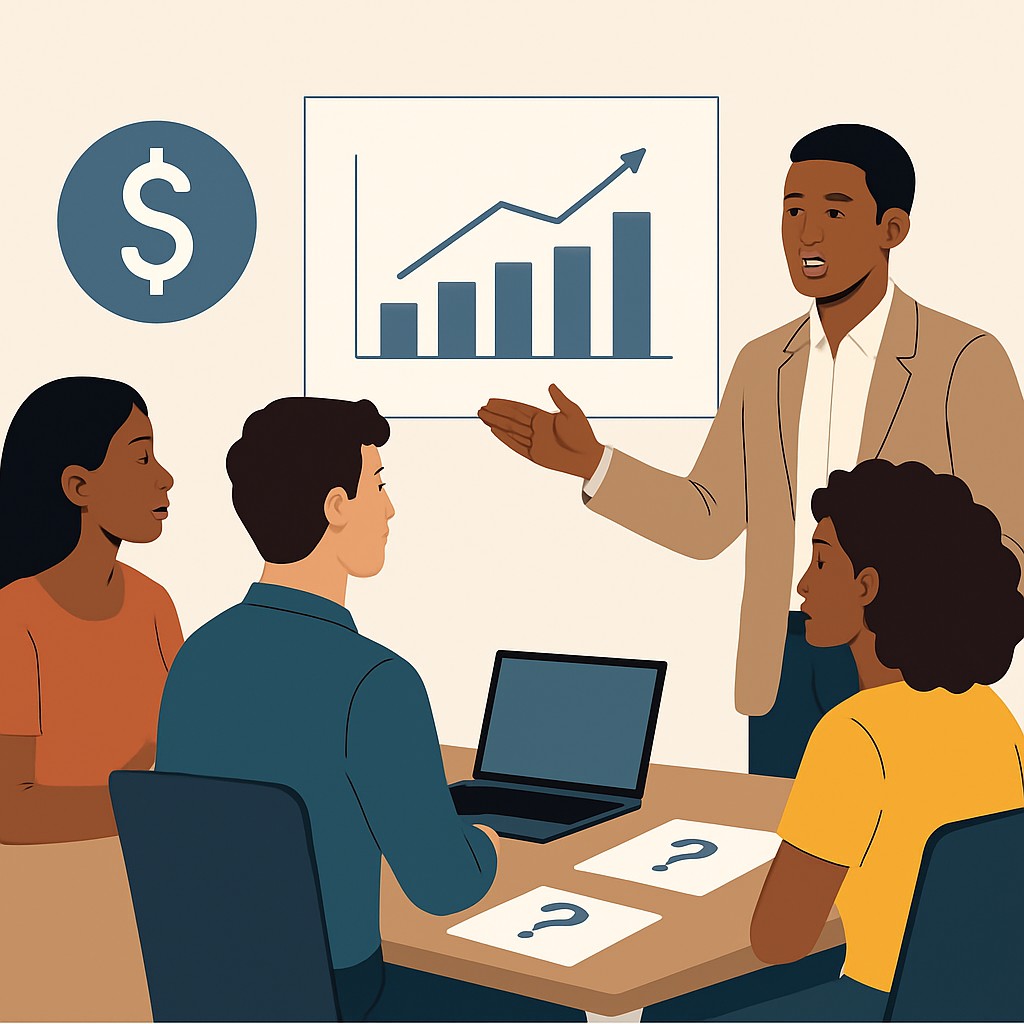
Developing Time Management and Personal Organization Skills
Recognizing the Importance of Time Management
Time management plays a crucial role in personal and professional success.
Failing to manage time effectively causes tasks to pile up quickly.
As a result, stress levels increase and productivity decreases.
Therefore, everyone should learn to prioritize activities properly.
For example, Emily Carter, a marketing manager, improved her workflow drastically by mastering time management.
Techniques for Effective Time Management
Begin by setting clear and achievable goals each day.
This focus directs your efforts toward meaningful results.
Next, break larger projects into smaller, manageable tasks.
Also, use calendars and reminder apps to organize your schedule efficiently.
Moreover, David Kim, a software developer at Peak Innovations, credits his success to time blocking his work hours.
Strategies for Enhancing Personal Organization
Organize your physical workspace to reduce distractions and increase focus.
Similarly, maintain digital files in clearly labeled folders for quick access.
Additionally, develop routines to ensure important tasks are not overlooked.
Sophia Martinez, a freelance graphic designer, relies on her daily checklist to stay on track.
Moreover, decluttering regularly keeps spaces inviting and saves time searching for items.
Balancing Flexibility with Structured Planning
Although planning is essential, allow flexibility for unexpected tasks or interruptions.
Being flexible helps you adapt without losing sight of priorities.
In fact, combining structure and adaptability improves resilience and prevents burnout.
Michael Chen, project manager at Summit Tech, schedules buffer periods to handle urgent matters smoothly.
Tools and Resources to Support Skill Development
Consider using digital apps like Trello, Todoist, or Google Calendar to manage tasks effectively.
These tools provide reminders, collaboration features, and progress tracking capabilities.
Additionally, notebooks and planners work well for those who prefer writing by hand.
Attending workshops or online courses can also enhance your time management skills.
Companies like Evergreen Consulting offer training sessions focused on productivity and personal organization.
Building Resilience and Coping Mechanisms for Real-World Challenges
Understanding Resilience and Its Importance
Resilience refers to the ability to recover from setbacks quickly.
It plays a crucial role in handling unexpected life challenges effectively.
Moreover, building resilience helps maintain mental and emotional well-being.
For example, Elise Morgan, a software engineer at Vertex Innovations, credits resilience for her career growth.
Her ability to adapt and bounce back strengthened her problem-solving skills.
Developing Healthy Coping Strategies
Healthy coping mechanisms reduce stress and improve emotional stability.
They enable individuals to face difficulties without becoming overwhelmed.
Effective strategies include mindfulness, exercise, and seeking social support.
Additionally, journaling thoughts and feelings can clarify emotions and promote insight.
Mindfulness and Self-Awareness
Practicing mindfulness increases awareness of current emotions and thoughts.
This awareness fosters better control over reactions during stressful situations.
Employers like Sterling Capital encourage mindfulness programs to enhance employee performance.
Employees often report feeling more focused and less anxious after practice.
Physical Activity and Stress Relief
Regular exercise releases endorphins that elevate mood and energy levels.
Activities like jogging or yoga help reduce tension and improve resilience.
For instance, Carlos Diaz, a marketing consultant, credits daily running for managing work pressure.
He feels mentally stronger and less susceptible to burnout.
Building Social Support Networks
Strong social connections provide emotional comfort and practical advice.
Friends, family, and colleagues serve as resources in difficult times.
Companies like Brightline Design promote team-building to foster supportive workplace culture.
As a result, employees develop trust and feel more confident tackling challenges.
Techniques to Strengthen Resilience
- Reframe negative thoughts into positive, actionable perspectives.
- Set realistic and achievable goals to maintain motivation.
- Practice problem-solving skills by breaking down complex issues.
- Learn from failures instead of avoiding risks.
- Maintain flexibility to adapt plans when circumstances change.
These techniques empower individuals like Nia Thompson, a project manager, to lead confidently.
She often reflects on setbacks as learning opportunities, improving her leadership abilities.
The Role of Peer Relationships and Networking in Personal Growth
Building Meaningful Connections
Peer relationships shape our understanding of the world.
They help us develop social skills beyond formal education.
Moreover, these connections provide emotional support during challenges.
For example, Maria’s friendship with classmates boosted her confidence.
Similarly, Daniel found motivation through study groups at university.
Networking as a Tool for Opportunities
Networking opens doors to career and personal growth.
It allows individuals to discover hidden opportunities that formal paths miss.
Companies like Summit Dynamics value candidates with strong professional networks.
Additionally, networking events foster knowledge exchange among diverse people.
Developing Communication and Collaboration Skills
Interacting with peers enhances communication abilities.
These skills prove vital in professional and personal environments alike.
Claire learned negotiation tactics through group projects in college.
Consequently, she thrived in team roles at Maple Leaf Consulting.
Strategies to Cultivate Relationships and Networks
Consistency and authenticity build trust over time.
Listening actively creates stronger bonds between individuals.
Participating in clubs, workshops, and seminars widens social circles.
- Attend local industry meetups regularly.
- Engage in community volunteering activities.
- Join online forums related to personal interests.
For instance, Liam expanded his network by joining the Young Innovators Forum.
He later secured an internship at Brightline Media through contacts made there.
Why Self-Advocacy and Negotiation Skills Matter for Future Success
Building Confidence Through Self-Advocacy
Self-advocacy empowers individuals to express their needs clearly.
It helps people like Sarah Martinez secure her desired work assignments.
Moreover, confident communication fosters trust in professional environments.
When employees advocate for themselves, management understands their strengths better.
Therefore, self-advocacy shapes career growth and professional relationships alike.
Enhancing Opportunities with Effective Negotiation
Negotiation unlocks new opportunities by creating mutually beneficial agreements.
For example, Michael Brooks successfully negotiated a remote work arrangement at SummitTech.
Strong negotiation can lead to better salaries, flexible schedules, or improved project roles.
Consequently, mastering these skills gives professionals a competitive edge in any field.
Employers value employees who negotiate thoughtfully and ethically.
Developing Critical Life Skills
Both self-advocacy and negotiation encourage problem-solving and resilience.
These skills allow individuals to navigate conflicts constructively.
In addition, they enhance decision-making and interpersonal communication abilities.
For instance, Olivia Nguyen used negotiation to resolve team disagreements at Greenfield Investments.
Ultimately, practicing these skills prepares people for diverse life challenges beyond work.
Effective Methods to Cultivate Advocacy and Negotiation Skills
Start by identifying personal goals and areas where you need support.
Next, practice clear and assertive communication in daily interactions.
Role-play negotiation scenarios with friends or mentors to sharpen your technique.
Read books or attend workshops focused on negotiation and self-advocacy strategies.
Regular feedback from colleagues like Daniel Lee helps track progress and improve.
Impact of These Skills on Long-Term Career Success
Those who advocate for themselves often receive more recognition and promotions.
Negotiation skills help secure better job offers and contract terms.
Furthermore, self-advocacy encourages lifelong learning and personal development.
Companies such as BrightWave Consulting actively seek employees who negotiate wisely.
Mastering these skills creates lasting advantages in competitive workplaces.
Additional Resources
How a teacher’s why can transform education – LinkedIn
Education for peace: planning for curriculum reform – unesco