




Debunking the Age Myth
Many believe that a specific age determines homeownership readiness.
However, timing depends more on financial readiness and personal goals.
Therefore individuals should evaluate savings, income stability, and priorities.
Mindset Over Chronological Age
Readiness often requires planning, discipline, and realistic expectations.
Additionally, focus on building habits that support long term affordability.
Set clear goals for homeownership rather than follow age expectations.
Actionable Mindset Shifts
Break large goals into smaller, manageable financial milestones.
Then, track progress regularly and adjust strategies as needed.
Moreover, build habits that sustain long term affordability.
Social Pressure and Cultural Expectations
Social pressure can push people toward premature buying decisions.
Moreover, comparing with peers can obscure personal financial realities.
Consequently, establish clear criteria to resist external timelines and impulses.
Managing Social Pressure
Communicate goals with family to align expectations calmly.
Likewise, cultivate a support network that respects financial choices.
Also, set boundaries around financial discussions to reduce anxiety.
Your Personalized Financial Plan
Get expert financial advice tailored exclusively to your goals. Receive a custom roadmap in just 1-3 business days.
Get StartedPractical Implications for Timing a Home Purchase
Practical timing influences long term financial health.
First, assess predictable income and expense stability.
Second, estimate upfront and ongoing housing costs conservatively.
Additionally, maintain an emergency fund before committing to large payments.
Financial Checklist
Confirm stable income that covers mortgage and essential expenses.
Secure a down payment to avoid risky borrowing and high costs.
Keep debt at reasonable levels to preserve monthly cash flow.
- Stable income to cover mortgage and other essentials.
- Down payment savings sufficient to avoid risky borrowing.
- Reasonable debt levels that preserve monthly cash flow.
- Contingency savings for unexpected repairs or income shocks.
Putting Readiness into Practice
Create a timeline based on goals and finances, not age.
Regularly review finances and adjust plans accordingly.
Consequently, make buying decisions that reflect preparedness rather than pressure.
Core Components of Financial Readiness
Age does not determine when to buy a home.
Financial readiness relies on savings, income, and clear planning.
Use the core components below to guide your decisions.
Down Payment
Down payment refers to the upfront cash paid toward purchase price.
Unlock a Debt-Free Future with Our Unique Strategies
Imagine a life unburdened by debt—a reality we help you visualize and achieve. We offer personalized strategies tailored to your unique situation, guiding you step-by-step toward financial freedom.
Start TodayBuyers should plan savings before they start their search.
Set a savings target that reflects lender expectations.
Preparing Savings
Set a clear savings target based on lender expectations and budget.
Match targets to your monthly spending limits.
Automate transfers to a dedicated savings account consistently.
- Reduce discretionary spending to accelerate savings growth.
- Consider liquid investments that preserve capital for near-term use.
Mortgage Eligibility
Mortgage eligibility depends on credit, documentation, and lender criteria.
Review required documents and prepare them in advance.
Address credit issues early to improve approval chances.
Improving Eligibility
Check and correct credit records when necessary.
Resolve errors promptly to strengthen your application.
Maintain stable employment and reduce outstanding debts where possible.
Steady Income
Lenders assess steady income to ensure loan repayment ability.
Demonstrate consistent earnings with payslips or business proof.
Organize records and tax documents for lender review.
Unlock Untapped Nigerian Wealth with Our Expert Advice
Imagine accessing investment opportunities others overlook—stocks, bonds, real estate, small businesses tailored to you. We offer personalized advice you won't find elsewhere, guiding you to financial success.
Unlock WealthDemonstrating Income Stability
Keep organized records of income and tax documents.
Avoid sudden job changes before applying for a mortgage.
Provide consistent documentation to verify your earnings.
Emergency Fund
An emergency fund covers unexpected expenses during home ownership.
Build savings separate from the down payment account.
Keep this fund accessible for immediate needs.
How Much to Save
Save enough to cover several months of essential expenses.
Estimate essential monthly costs to determine your target.
Keep the emergency fund liquid for immediate access.
Ongoing Ownership Costs
Ongoing costs include maintenance, taxes, insurance, and utilities.
Budget for regular and irregular home-related expenses proactively.
Plan for future repairs through a dedicated reserve.
Planning for Future Costs
Estimate realistic monthly expenses to avoid financial strain later.
Schedule routine maintenance to prevent costly emergency repairs.
Review insurance options and create a sinking fund.
- Schedule routine maintenance to prevent costly emergency repairs.
- Review insurance options to protect assets appropriately.
- Create a sinking fund for major repairs or upgrades.
Readiness Checklist
Use this checklist to confirm your financial readiness.
Verify savings, documentation, and income before you apply.
Maintain emergency savings and plan for ownership costs.
- Have a dedicated down payment fund.
- Confirm mortgage eligibility and documentation readiness.
- Ensure steady and verifiable income streams.
- Maintain an accessible emergency fund.
- Plan for ongoing ownership costs.
Managing Debt and Credit
This section explains how lenders assess debt and credit.
It outlines factors that influence loan decisions.
Improving credit behavior can change financing outcomes.
Why Debt and Credit Matter
Lenders focus on how you handle debt and credit.
They evaluate capacity to repay and account reliability.
Consequently lenders use those assessments when reviewing loan applications.
Debt-to-Income Ratio
Debt to income ratio compares monthly debt payments to monthly income.
Moreover lenders use this ratio to judge repayment capacity.
Lower ratios generally improve financing prospects.
Payment History and Credit Behavior
Payment history shows whether you pay obligations on time.
Consistent timely payments signal lower lending risk.
Conversely missed payments can hinder loan approval.
Responsible Borrowing and Account Management
Responsible borrowing means taking loans you can realistically repay.
Keep credit balances moderate to maintain healthier credit profiles.
Avoid frequent new credit applications to preserve credit stability.
Practical Steps to Improve Creditworthiness
Follow clear steps to improve your creditworthiness.
Start by calculating your debt to income ratio.
Next prioritize high interest debts and set payment routines.
- Calculate your debt to income ratio to understand borrowing capacity.
- Prioritize paying down high interest and unsecured debts first.
- Set up reliable payment routines to avoid missed obligations.
- Limit new credit inquiries before applying for finance.
- Keep credit card balances low relative to limits.
- Communicate proactively with current creditors about repayment options.
How These Factors Compare to Age
These factors outweigh chronological age in lending decisions.
Therefore focus on improving credit behavior rather than age.
Financial behavior often determines financing outcomes.
What Lenders Typically Review
Lenders often review debt levels payment patterns and account details.
They assess these items when evaluating loan applications.
Demonstrate responsible credit behavior to strengthen loan applications.
Learn More: Why Owning Property Early Isn’t Just About Bragging Rights
Cash-flow and Affordability Modeling
This section explains cash-flow and affordability modeling.
It covers essential budgeting steps and stress-testing.
Read each part to apply modeling to housing decisions.
Purpose of Cash-flow Modeling
Cash-flow modeling shows whether monthly finances support home ownership plans.
Therefore, it focuses on real income and realistic spending estimates.
This modeling helps assess monthly housing affordability.
Building a Realistic Monthly Budget
First, list all regular income sources and net amounts.
- Income sources represent take-home pay and other recurring receipts.
- Fixed expenses include rent, utilities, and insurance obligations.
- Variable expenses cover groceries, transport, and discretionary spending.
- Savings targets and emergency buffer sit as dedicated budget lines.
- Periodic costs capture annual or irregular payments such as maintenance.
Next, record fixed monthly obligations that recur each month.
Then, estimate variable spending using recent statements or receipts.
Additionally, set aside savings targets and an emergency buffer amount.
Finally, include periodic costs that appear less often than monthly.
Creating a Simple Cash-flow Model
Start with a single spreadsheet or notebook page for transparency.
Next, enter income and subtract essential expenses to find cash surplus.
Then, allocate surplus toward mortgage, savings, and discretionary spending.
Additionally, update the model monthly to reflect changing circumstances.
Stress-testing for Interest Rate Rises
Stress-testing shows how higher rates affect monthly mortgage payments.
First, increase the assumed interest rate by a conservative margin.
Next, recalculate monthly payments and observe the change in cash flow.
Then, identify which budget areas would absorb higher payments without harm.
Finally, plan adjustments such as increasing savings or reducing discretionary spending.
Stress-testing for Income Shocks
Income shocks test resilience to job loss or reduced earnings.
First, model a temporary income reduction and its duration.
Next, simulate a longer income gap to examine deeper impacts.
Then, check how emergency savings cover mortgage and essential costs.
Additionally, identify nonessential spending to pause during shortfalls.
Finally, prepare a stepwise plan for longer income disruptions.
Interpreting Results and Next Steps
Review scenarios to determine acceptable risk and affordability thresholds.
Then, adjust housing targets or savings targets based on model outcomes.
Additionally, revisit debt management plans to improve monthly flexibility.
Finally, update the model regularly as rates or income change.
Find Out More: Why Location Is a Long-Term Investment, Not Just Convenience
Liquidity and Opportunity Cost in Home Savings
This section discusses liquidity and opportunity costs for home savings.
The content outlines how to balance short term needs and long term goals.
Also, it provides practical steps and a decision framework.
Assessing Immediate Liquidity Needs
Start by listing short term cash requirements in your Nigerian context.
Additionally, identify short term expenses and seasonal cash requirements.
Therefore, avoid allocating all liquid capital to long term home savings.
Understanding Opportunity Cost
Opportunity cost means the benefits you forgo when choosing one option.
Consequently, compare potential returns from investments against home equity growth expectations.
In the same way, weigh business capital needs against long term housing plans.
Balancing Retirement Needs with Home Savings
Retirement savings should remain a distinct priority alongside home purchase plans.
Moreover, ensure retirement accounts retain sufficient contributions to avoid future shortfalls.
Protect retirement contributions while you allocate funds toward home goals.
Practical Ways to Balance Competing Priorities
Use flexible savings that allow partial withdrawals when unexpected needs arise.
Alternatively, split surplus cash between short term investments and a home fund.
Furthermore, stage major contributions so you preserve liquidity while progressing toward ownership.
Also, keep some liquidity separate from your planned home contribution.
Decision Framework for Prioritizing Uses of Capital
First, rank goals by urgency and potential impact on long term wellbeing.
Next, assign a target timeline and liquidity requirement to each goal.
Then, choose savings vehicles that match the required liquidity and risk tolerance.
Reviewing and Adjusting Over Time
Regularly review allocations as income, markets, or business needs change.
Therefore, rebalance when opportunity cost shifts toward alternative priorities.
Update your savings plan after reviewing changes in goals or cash needs.
Find Out More: Your Step-by-Step Guide to Owning Property in Nigeria This Year
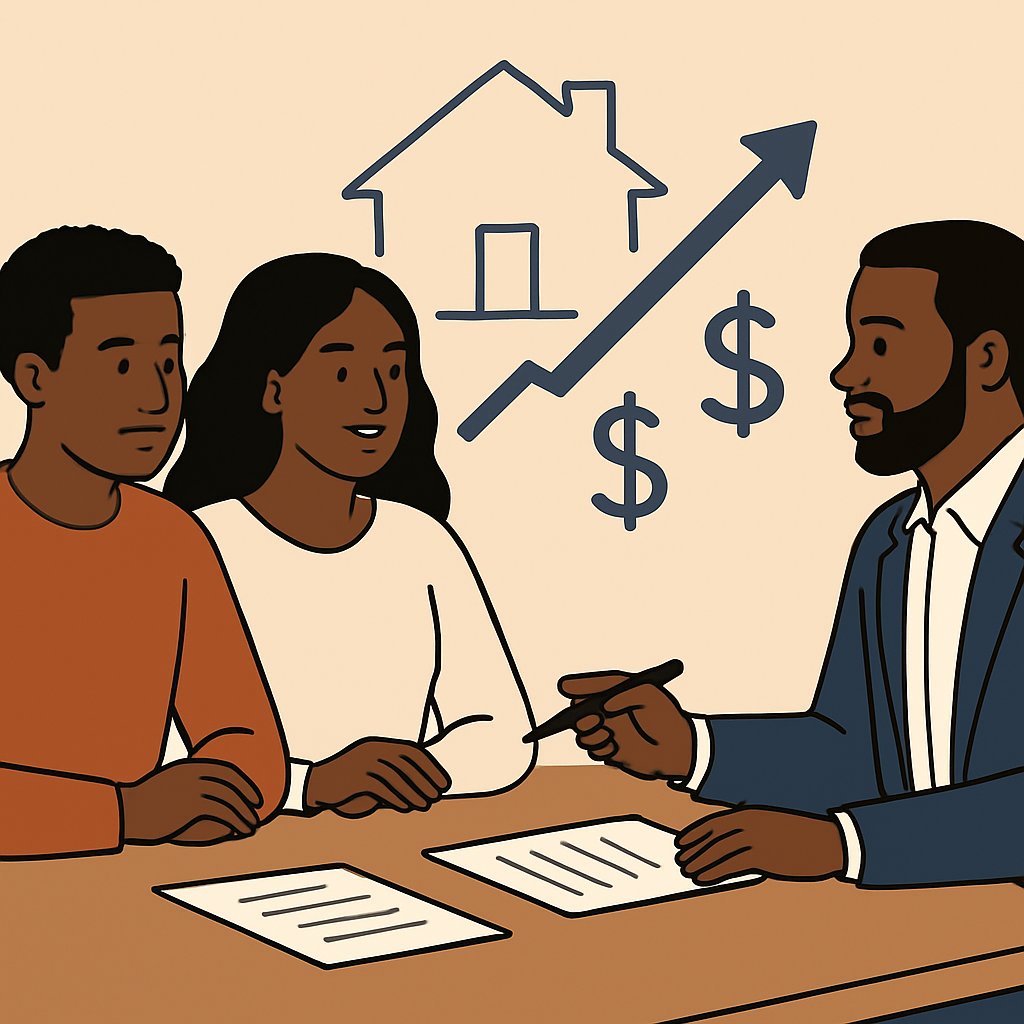
Market Timing Versus Personal Readiness
Many people wait for the perfect market before buying a home.
Waiting often backfires.
Decide based on personal readiness rather than market perfection.
Why Trying to Time the Market Often Backfires
Markets fluctuate in ways buyers cannot perfectly predict.
A long wait can cause missed affordable opportunities.
Emotional paralysis can delay decisions indefinitely.
Personal circumstances can change faster than markets.
Signals That Matter More Than Headlines
This section highlights market-focused signals that matter more than headlines.
Focus on local indicators and lending conditions.
Consider negotiation power, listing speed, and transaction costs.
- Local supply and demand balance affects negotiation power.
- Listing duration trends reveal how quickly homes sell.
- Mortgage availability and lending terms influence affordability.
- Total transaction costs change net affordability beyond sale price.
- Personal timing, such as job stability, can trump market shifts.
Practical Steps to Be Ready to Act
Create clear, actionable preparations before opportunities appear.
Prepare to act quickly when suitable properties appear.
Assemble processes that reduce decision delays and friction.
- Build a short list of must-have and deal-breaker criteria.
- Obtain pre-approval to understand your purchasing range.
- Keep funds liquid enough for earnest money and inspections.
- Establish a quick screening process for properties and costs.
- Assemble trusted advisers you can contact on short notice.
A Simple Decision Framework
Define a small set of objective buy triggers.
Set clear no-buy conditions to avoid impulse mistakes.
Use short timelines to force decisive action when triggers align.
Review outcomes to refine your personal readiness rules.
Discover More: The Role of Financial Advisors in Nigerian Homeownership Success
Alternatives to Immediate Ownership
Consider renting, co-ownership, rent-to-own, and family financing.
Each approach involves trade-offs in flexibility, cost, and timing.
Document agreements and revisit terms as situations evolve.
Renting Strategically
Renting can serve as a deliberate step toward ownership.
Instead, use renting to build flexibility and savings.
For example, choose locations with realistic future buying options.
Also, seek leases that allow shorter commitments or transfers.
Additionally, negotiate rent to cover agreed improvements when possible.
Co-Ownership
Co-ownership lets two or more people buy together.
Consequently, co-ownership can lower individual financial burden.
However, co-ownership requires clear agreements on responsibilities and exit rules.
Therefore, document ownership shares and decision processes in writing.
Also, consider using a written agreement that covers maintenance and sale procedures.
- Who pays which costs and how will contributions change?
- How will ownership shares adjust if one partner leaves?
- What dispute resolution steps will you use if conflicts arise?
Rent-to-Own Arrangements
Rent-to-own combines renting with an option to buy later.
Thus, tenants can test a property before committing to purchase.
However, clarify terms such as purchase price and option fees upfront.
Also, record timelines and consequences for missed payments in writing.
Finally, evaluate whether the arrangement aligns with your long term goals.
Family Financing and Informal Support
Family financing can bridge timing gaps in path to ownership.
Moreover, family support may offer flexible repayment or lower costs.
Nevertheless, set clear expectations to preserve relationships and avoid misunderstandings.
Therefore, create a written loan or gift agreement with repayment details when appropriate.
Also, discuss what happens if circumstances change for either party.
Choosing the Right Bridge Option
Compare each option based on flexibility, cost, and future goals.
Also, consider personal readiness and timeline for acquiring a home.
Furthermore, consult trusted advisers to validate your chosen path.
Finally, document any agreements and revisit them periodically as situations evolve.
Practical Roadmap and Checklist for Buyers
This roadmap guides buyers toward practical steps for home ownership.
It complements earlier sections on credit and affordability.
Follow the steps to prepare financially and legally for purchase.
Define Clear Goals
Clarify what you want from a property and why.
Decide priorities such as location, size, and long term flexibility.
Set a target timeline that aligns with your income stability.
List acceptable trade offs to guide decisions during negotiation.
Set Saving Targets
Estimate the total amount needed for purchase and initial ownership costs.
Divide that amount into monthly savings targets you can sustain.
Create short term milestones to measure progress and stay motivated.
Protect savings by using a dedicated account or bucket.
Improve Credit and Financial Profile
Obtain and review your financial statements and credit profile proactively.
Correct any errors and document communications while resolving discrepancies.
Formalise income where possible to strengthen lender confidence during applications.
Avoid new credit applications shortly before applying for finance.
Compare Lenders and Financing Options
Request written terms from multiple lenders to compare options objectively.
Evaluate effective costs, required fees, and repayment flexibility carefully.
Check eligibility criteria and document requirements before choosing a lender.
Consider pre approval to strengthen your negotiating position with sellers.
Legal and Property Due Diligence
Verify that the seller has clear legal rights to sell the property.
Confirm absence of legal encumbrances and outstanding obligations against the property.
Review planning permissions and regulatory compliance where applicable for the site.
Arrange a physical inspection to uncover maintenance or structural concerns early.
Engage a qualified legal professional to review documents and draft agreements.
Actionable Checklist
Use the checklist to organise your purchase tasks effectively.
Track progress with clear milestones and documented proofs.
Keep records and receipts for every transaction related to the purchase.
- Define your ownership objective and preferred timeline in writing.
- Identify target properties and reasonable price ranges that match priorities.
- Calculate the total amount needed and set clear saving milestones.
- Open a dedicated savings account and automate transfers to protect funds.
- Prepare required documentation and formalise income proof for lender assessments.
- Improve your credit profile and reduce high cost debts before applying.
- Obtain written offers from several lenders and compare terms carefully.
- Conduct title checks and schedule a physical inspection before payments.
- Engage a legal professional to review documents and advise on protections.
- Keep organised records and receipts for every transaction and interaction.
Additional Resources
Google search results for Why Home Ownership Isn’t About Age, But Financial Readiness Home Ownership
Bing search results for Why Home Ownership Isn’t About Age, But Financial Readiness Home Ownership