




How Inflation and Currency Erosion Shrink Your Paycheck
This article explains how inflation and currency erosion reduce real income.
First, it outlines mechanisms that lower purchasing power for households.
Then, it suggests household responses and broader wage considerations.
Understanding Macro Inflation
Macro inflation means general prices rise across the economy.
Therefore, goods and services cost more over time.
As a result, each unit of money buys less than before.
Naira Depreciation Explained
Currency depreciation reduces the local value of the naira.
Consequently, imports become more expensive in local currency terms.
Moreover, businesses often pass higher import costs to consumers.
Key Mechanisms That Reduce Real Paychecks
Several mechanisms reduce the real value of take-home pay.
They operate through prices, wages, and import cost channels.
Households feel the effects in daily budgets and savings.
- Rising consumer prices directly lower purchasing power.
- Wage growth often lags behind inflation.
- Import cost increases raise prices for many everyday items.
- Inflation erodes the real value of savings held in cash.
- Higher living costs force reallocations within household budgets.
Immediate Effects on Take-Home Pay
Employees find budgets stretched despite unchanged nominal pay.
Consequently, discretionary spending usually declines quickly.
Households then prioritize essentials over nonessential purchases.
Your Personalized Financial Plan
Get expert financial advice tailored exclusively to your goals. Receive a custom roadmap in just 1-3 business days.
Get StartedLong-Term Consequences for Wealth and Planning
Sustained inflation and depreciation reduce long-term saving outcomes.
Moreover, retirement plans and future goals require higher nominal contributions.
As a result, financial plans face ongoing adjustments and uncertainty.
Practical Household Responses
Families often revisit budgets to align income with rising costs.
Therefore, people may shift spending toward essential categories.
Moreover, households may seek higher or additional income streams.
- Some adjust savings strategies to protect purchasing power.
- Others negotiate wages to reflect changing cost realities.
Wider Economic and Wage Considerations
Wage policies and adjustments influence how paychecks respond to inflation.
Therefore, employers and policymakers play roles in protecting real incomes.
Moreover, coordinated actions can help align wages with living costs.
Wage stagnation: when salaries fail to keep pace with everyday living costs
Wage growth can remain flat even as people face higher routine expenses.
Additionally, people can explore roles with clearer advancement pathways and pay growth.
Finally, monitoring household finances helps reveal small savings and reallocation options.
How wage stagnation operates
Meanwhile, productivity gains do not always translate into higher pay for workers.
Additionally, employers may prioritize cost control over broad salary increases.
Unlock a Debt-Free Future with Our Unique Strategies
Imagine a life unburdened by debt—a reality we help you visualize and achieve. We offer personalized strategies tailored to your unique situation, guiding you step-by-step toward financial freedom.
Start TodayConsequently, many paychecks feel smaller in practical household terms.
Who feels the effects most
Lower income households often experience stagnant wages more intensely.
Meanwhile, workers with irregular schedules face uncertain earnings month to month.
Additionally, those without bargaining power struggle to secure pay increases.
Workplace practices that contribute
Employers may freeze raises during budgetary constraints or strategic shifts.
Similarly, employers can replace full benefits with leaner compensation packages.
Also, hiring for temporary roles can limit long term pay progression.
Long term consequences for workers
Over time, stagnant wages hinder savings accumulation and wealth building.
Furthermore, stagnant pay complicates planning for major life events and goals.
Consequently, workers may defer investments in education or health needs.
Practical approaches workers can consider
First, workers can assess their skills and pursue targeted development opportunities.
Next, employees can prepare concise cases when negotiating compensation with employers.
Also, collective approaches can strengthen worker bargaining power in some settings.
Lifestyle Inflation and Social Pressure
This section focuses on personal spending dynamics.
Unlock Untapped Nigerian Wealth with Our Expert Advice
Imagine accessing investment opportunities others overlook—stocks, bonds, real estate, small businesses tailored to you. We offer personalized advice you won't find elsewhere, guiding you to financial success.
Unlock WealthIt highlights personal choices and everyday spending behaviors.
The tone emphasizes how social feedback shapes habits.
Why Upgrading Consumption Feels Natural
People often increase spending as their income grows.
Upgraded purchases provide immediate satisfaction and social feedback.
Those new expenses often become baseline expectations for daily life.
How Peer Pressure Shapes Choices
Social circles influence what people consider necessary to buy.
Visible consumption creates subtle competition among friends and colleagues.
People match peers to avoid feeling left out or judged.
Common Patterns in Upgrading Consumption
People upgrade housing, transportation, and leisure as income rises.
Technology and wardrobe upgrades often follow social signaling needs.
Recurring costs attach to many upgraded items and sustain higher spending.
Why the Peer-Driven Trap Grows Over Time
Small increases feel manageable so people accept them easily.
Each accepted upgrade raises the reference point for future choices.
Spending can escalate without conscious decisions or planned budgeting.
Patterns to Recognize in Your Own Spending
Notice purchases made mainly for appearance or social alignment.
Track recurring costs that began as one-time upgrades.
Observe whether you feel pressured before and after big purchases.
Breaking the Peer-Driven Spending Trap
Define personal priorities and what truly adds value to life.
Set simple rules before upgrading any recurring expense.
Create small accountability measures with friends or a clear spending plan.
- Delay upgrades for a set period to reduce impulse commitments.
- Test new habits with temporary choices before making them permanent.
- Compare needs versus wants when tempted by peer-driven purchases.
Maintaining Financial Habits Over Time
Regularly review expenses and confirm they match current priorities.
Celebrate nonmaterial achievements to reduce social spending pressure.
Adjust rules as life circumstances change while staying intentional.
Discover More: The Mindset Shift From Tax Avoidance to Tax Efficiency
High Structural Cost of Living
Structural expenses absorb paychecks month after month.
They come from recurring essentials households must fund without fail.
These costs steadily reduce money available for other needs.
Housing
Rent and housing-related charges account for a steady portion of income.
Security deposits and periodic repairs reduce available cash flow.
Consequently, housing costs often limit money available for other necessities.
- Rent or mortgage payments require regular allocation of income.
- Security deposits and ongoing maintenance create periodic cash demands.
- Utilities and service charges add predictable monthly obligations to budgets.
Transport and Fuel
Commuting expenditures take up part of every paycheck regularly.
Also, public transit fares and private vehicle expenses demand ongoing payments.
Fuel purchases and vehicle upkeep create unpredictable drains on finances.
- Public transit fares consume part of each commute expense.
- Vehicle fuel and repairs require recurrent spending when owning a car.
- Ride services and informal transport options draw on disposable income.
Education
School fees and related costs recur across academic terms or sessions.
Moreover, exam fees and study materials add incremental expenses each year.
Thus, educational spending steadily withdraws funds from monthly budgets.
- Tuition fees form the core recurring educational expense.
- Books, materials, and extra lessons lead to additional regular costs.
Healthcare
Medical bills and medicine purchases commonly require immediate outlay.
Furthermore, preventive care and emergencies can impose sudden financial demands.
As a result, households often reallocate income away from savings for health expenses.
- Consultation fees and medication purchases often require immediate payments.
- Medical tests and treatment costs may interrupt planned savings goals.
Cumulative Burden Across Essentials
Multiple structural costs stack together and reduce disposable income significantly.
Moreover, simultaneous obligations force difficult spending trade-offs among necessities.
Consequently, many paychecks feel smaller despite unchanged nominal amounts.
Common Household Responses
Households reduce discretionary spending to meet essential structural costs.
Also, some families borrow or tap savings to cover recurring shortfalls.
Therefore, long-term financial goals often take a back seat to immediate needs.
Find Out More: What Every Freelancer and Side Hustler Must Know About Tax
Debt Servicing and High-Cost Credit
Recurring loan repayments reduce the amount you take home each pay period.
High debt servicing reduces financial flexibility throughout the month.
Constant debt pressure encourages prioritizing immediate obligations over long-term planning.
Loan Repayments and Paycheck Drain
Consequently, less cash remains for daily needs and savings.
Moreover, fixed repayment schedules force priority payments over discretionary spending.
Therefore, paychecks feel smaller even when gross income stays the same.
Quick-Credit Obligations and Fees
Short-term or quick-credit products often carry higher effective costs.
Additionally, fees and rollovers amplify the amount you repay over time.
Consequently, these obligations can consume large portions of monthly income.
Cash Flow Effects and Budget Strain
As a result, people delay essential payments or skip savings contributions.
Meanwhile, limited cash increases reliance on additional quick credit.
Consequently, repayment cycles can become self-perpetuating and harder to escape.
Behavioral and Practical Consequences
Therefore, individuals may avoid building emergency funds or investing in future needs.
Additionally, stress from recurring repayments impairs clear financial decision-making.
First, understand which repayments carry the highest costs and interest rates.
Reducing the Immediate Burden
Then, prioritize reducing those balances when possible to free up cash flow.
Alternatively, avoid taking new short-term credit that increases monthly obligations.
Finally, aim to build a small buffer to absorb payment timing variations and shocks.
Uncover the Details: The Hidden Tax Costs in Your Daily Transactions
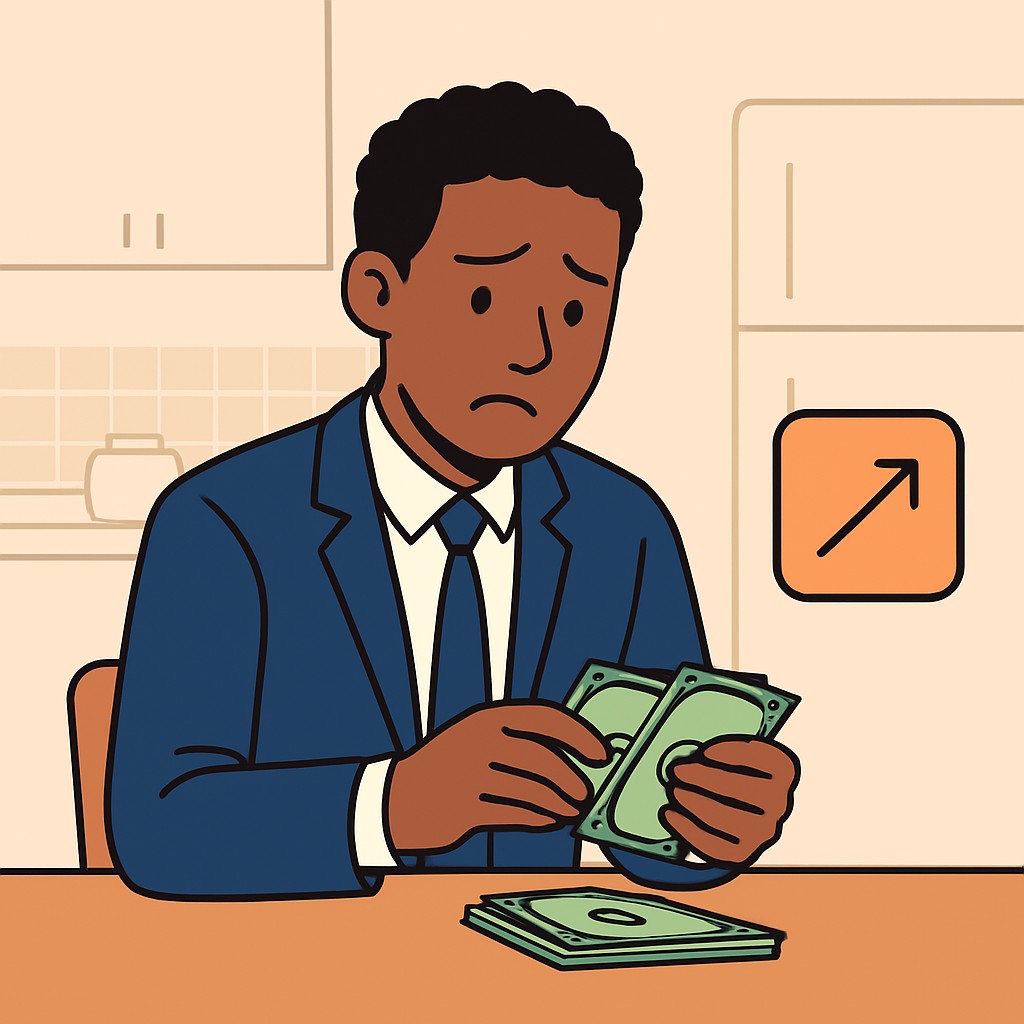
Hidden Deductions and Recurring Charges
This section explains routine charges that quietly reduce disposable income.
It focuses on bank fees, subscriptions, and informal daily outflows.
The goal is to help readers identify and limit these charges.
Common Hidden Deductions
Many routine fees appear across banking and payment services.
Subscription renewals and small daily payments also create steady outflows.
Together, these charges slowly shrink monthly disposable income.
- Banks and payment services apply routine fees.
- Subscription services charge recurring amounts for ongoing access.
- Informal payments appear as small, regular outflows.
- Collectively, these charges shrink disposable income over time.
Bank and Payment Service Fees
Banks often debit accounts for maintenance and transaction activities.
Automated charges can post without clear monthly notices.
Small fees accumulate and reduce take-home pay over time.
Subscriptions and Recurring Services
Many services renew automatically each billing cycle.
Consequently, forgotten subscriptions can keep drawing funds for months.
Trial periods sometimes convert to paid plans without alerts.
Informal Payments and Everyday Leakage
Everyday informal payments drain cash without formal records.
Casual tips and small favors add up across pay periods.
Small habitual purchases create a continuous expense stream.
How to Find Hidden Charges
Review recent bank statements line by line.
Compare recurring vendor names against known services.
Check card statements for small unfamiliar debits.
Document every recurring charge in a single simple list.
Practical Steps to Reduce Recurring Charges
Cancel subscriptions you no longer use through account settings.
Ask your bank to waive fees and negotiate avoidable charges.
Set calendar reminders to audit recurring payments regularly.
- Cancel unused subscriptions through account settings.
- Negotiate with your bank to waive avoidable fees.
- Set calendar reminders to audit recurring payments.
- Consolidate services to avoid duplicate charges.
Maintaining Control Over Time
Create a simple monthly review habit to monitor recurring outflows.
Spot new charges before they become routine by reviewing statements.
Make small ongoing adjustments to preserve more disposable income.
Gain More Insights: Why Financial Transparency Protects More Than It Exposes
Poor Cash Flow Management
Poor cash flow management creates timing problems for bills and priorities.
It reduces the ability to cover core obligations before extras.
It increases the risk that small shocks become costly crises.
Why Budgets Fail
Many people skip realistic budgeting and then lose control of spending.
Rigid plans rarely match changing expenses and habits.
Failing to record transactions hides problem areas quickly.
Planning for Irregular Income
Irregular pay cycles disrupt timing of bills and priorities.
Map income arrival dates against essential expenses first.
Create a baseline month that covers core obligations before extras.
Treat surplus funds as flexible rather than guaranteed income.
Building an Emergency Fund
An emergency fund prevents small shocks from becoming crises.
Start by saving modest, regular amounts to a separate account.
Automate transfers to keep the saving habit consistent.
Reserve the fund exclusively for unplanned urgent needs.
Practical Steps to Improve Cash Flow
- Track daily spending for a month to spot leaks.
- Align bill due dates with likely cash inflows.
- Allocate money to essentials before assigning to wants.
- Build small buffers to bridge uneven pay periods.
- Review and adjust the plan monthly as situations change.
Common Pitfalls to Avoid
Chasing quick fixes often worsens long term cash flow problems.
Overestimating future income creates repeated shortfalls and stress.
Mixing emergency money with everyday accounts leads to accidental spending.
Low Real Returns and Limited Investment Options
Savings often earn returns below price growth.
Consequently deposited money loses purchasing power over time.
When savers cannot access higher-return assets they keep funds in low-yield accounts.
Why Savings Lose Purchasing Power
This relates to rising prices discussed earlier.
Moreover nominal interest can mask a real decline in value.
Additionally compounding at low rates fails to restore lost value.
Barriers to Inflation-Beating Assets
Many savers face obstacles when seeking higher-return assets.
- High minimum investments restrict access to higher-return assets.
- Complexity and jargon discourage people from participating.
- Illiquidity prevents quick conversion to cash when needed.
- Perceived risk deters conservative workers from trying new options.
- Limited formal availability reduces practical choices for savers.
How Limited Options Erode Take-Home Value
Consequently real wealth falls despite steady nominal paychecks.
Moreover the pursuit of higher returns can push people toward risky choices.
Practical Considerations for Savers
First evaluate the real return after accounting for price growth.
Next match investments to your liquidity needs and time horizon.
Also prioritize diversification to reduce concentration risk over time.
Furthermore watch fees and charges that erode net returns.
Common Obstacles to Taking Action
Common obstacles prevent savers from taking action.
- Limited financial knowledge prevents informed investment decisions.
- Upfront costs and fees create a practical barrier to entry.
- Psychological biases such as loss aversion hinder risk-taking.
- Time constraints and inertia delay meaningful portfolio changes.
Small Steps That Matter
Start with small allocations to accessible assets that aim to preserve purchasing power.
Then increase allocations as you gain knowledge and confidence.
Ultimately steady progress preserves purchasing power over the long run.
Additional Resources
Google search results for The Real Reason You Feel Poorer After Every Paycheck Taxes
Bing search results for The Real Reason You Feel Poorer After Every Paycheck Taxes