



Psychology of Payday
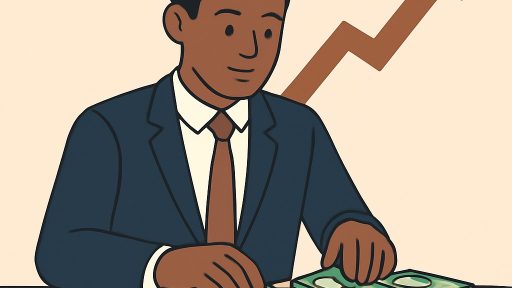
Payday triggers biases that influence spending decisions.
These biases often make short term choices feel more appealing.
They can shift focus away from future obligations.
Why Paydays Create a Temporary Feeling of Wealth
Receiving a paycheck often creates a sudden sense of available funds.
People then perceive themselves as temporarily wealthier than usual.
This perception focuses attention on what money can buy now.
Mental Accounting Explained
Mental accounting separates money into mental buckets.
Funds earmarked for specific purposes feel distinct.
As a result people treat recent income as more spendable.
Joy of Liquidity and Immediate Access
Joy of liquidity refers to the pleasure of having cash on hand.
Liquid funds create temptation for immediate gratification.
That temptation often leads to quick spending decisions.
How These Biases Lead to Overspending
Together these biases increase the likelihood of impulsive purchases.
Additionally people may downplay long term obligations after payday.
Consequently short term choices can undermine future financial stability.
Your Personalized Financial Plan
Get expert financial advice tailored exclusively to your goals. Receive a custom roadmap in just 1-3 business days.
Get StartedBehavioral Patterns to Watch For
Watch for sudden changes in spending after payday.
Some urges feel justified even when purchases are not essential.
These patterns can erode careful budget planning over time.
- You feel a sudden urge to buy non essential items immediately.
- You justify small purchases as deserved rewards after work.
- You reassign money from future needs to present spending.
- You neglect to reserve funds for upcoming regular expenses.
Simple Habits to Counteract Payday Overspending
Create automatic allocations to separate immediate spending from planned savings.
Delay discretionary purchases by introducing a short waiting period.
Use simple visual reminders to signal upcoming obligations and due dates.
- Automate transfers to savings or bill accounts on payday.
- Delay non essential purchases for several days after payday.
- Create a spending plan that treats income as distributed across the pay period.
- Commit to moving a portion of income into long term goals immediately.
Putting Awareness into Practice
Awareness reduces the illusion of permanent wealth after pay arrives.
Intentional habits protect future financial options and personal goals.
Practice these habits to preserve choice and long term stability.
Cash Now Versus True Wealth
This piece compares immediate paycheck cash to long-term wealth.
It explains net worth and visible cash distinctions.
Readers will find practical steps to align cash and wealth.
Defining Visible Paycheck Cash
Visible paycheck cash refers to funds in your account after payday.
However, this balance may reflect timing rather than lasting strength.
Unlock a Debt-Free Future with Our Unique Strategies
Imagine a life unburdened by debt—a reality we help you visualize and achieve. We offer personalized strategies tailored to your unique situation, guiding you step-by-step toward financial freedom.
Start TodayAlso, it can rise and fall quickly between pay cycles.
Understanding Net Worth
Net worth equals assets minus liabilities.
As a result, it captures property, investments, and debts.
Therefore, net worth gives a fuller picture of long-term health.
Key Differences
Paycheck cash shows immediate liquidity.
In contrast, net worth reflects accumulated value after debts.
Consequently, net worth indicates resilience to income interruptions and shocks.
- Paycheck cash reflects immediate liquidity and not long-term value.
- Net worth includes investments, property, and other assets minus debts.
- Net worth shows capacity to endure income interruptions and unexpected costs.
- Visible cash can disappear quickly due to bills or discretionary spending.
Risks of Treating Paycheck Cash as Permanent Wealth
Treating paycheck cash as permanent leads to overspending on nonessential items.
Consequently, people can miss opportunities to build long-term assets.
Additionally, this practice raises the risk of accumulating avoidable debt.
Moreover, the illusion of wealth can delay emergency and goal savings.
Therefore, short-term balances can produce poor financial decisions under pressure.
Practical Steps to Align Cash With Long-Term Wealth
Use a plan to channel paychecks toward lasting assets.
Automate and separate savings to protect funds from casual spending.
Unlock Untapped Nigerian Wealth with Our Expert Advice
Imagine accessing investment opportunities others overlook—stocks, bonds, real estate, small businesses tailored to you. We offer personalized advice you won't find elsewhere, guiding you to financial success.
Unlock WealthAlso, monitor liabilities to prevent hidden drains on apparent cash.
- Regularly track your net worth to understand true financial position.
- Allocate parts of each paycheck toward savings and long term assets.
- Use separate accounts to protect savings from casual spending.
- Automate transfers so saving happens before discretionary choices arrive.
- Prioritize an emergency buffer to reduce reliance on paycheck timing.
- Regularly review liabilities to prevent hidden drains on apparent cash.
Treat paychecks as inputs to a wealth plan rather than proof of wealth.
Payday-driven lifestyle inflation in Nigeria
Earlier sections described psychological drivers of the post-payday spending impulse.
Those discussions examined causes of impulsive spending after paydays.
This section focuses on social influences that shape post-payday spending.
Social Events and Visible Expectations
Social gatherings create visible expectations after a payday.
Consequently, people feel compelled to attend and spend to match peers.
Contributions, gifts, and hosting raise immediate expenses beyond budgets.
- New outfits for social events
- Gifts and monetary contributions
- Hosting or entertaining guests
- Upgraded transport for appearances
Appearance and Status Signals
Personal appearance can act as a quick status signal in communities.
Therefore, pay increases often translate into visible purchases and upgrades.
Maintaining such appearances can require repeated spending each payday.
Social Media Amplification
Social media amplifies selected moments into perceived everyday standards.
Consequently, posts can make one-off splurges look like normal choices.
Comparisons can pressure people to reproduce similar spending repeatedly.
How Windfalls Become Recurring Costs
Perceived expectations convert occasional windfalls into recurring higher living standards.
Consequently, skipping one-off expenses becomes socially difficult over time.
These dynamics gradually raise everyday spending expectations.
- Repeated event attendance becomes habit
- Expectation to match past spending levels
- Informal financial obligations with peers
- Upgraded baseline for personal items
Practical Steps to Resist Social Pressure
Set clear personal spending rules before payday arrives.
Communicate limits calmly with family and close peers.
Prioritize recurring needs before discretionary event spending.
Consider rotating attendance to reduce frequency of high-cost events.
Learn More: Why Every Naira You Don’t Track Becomes Someone Else’s Profit
Nigerian Macro Risks That Turn Payday Comfort Into Vulnerability
Earlier sections described the temporary “rich” feeling after payday.
These macro risks often occur together and reinforce each other.
Therefore, treating take-home pay as permanent wealth creates financial fragility.
Inflation and Purchasing Power
Inflation erodes purchasing power over time.
Consequently, the same cash buys fewer goods and services.
Therefore, spending all take-home reduces future ability to meet basic needs.
Currency Erosion and Savings Value
Currency erosion lowers the domestic value of saved cash.
Moreover, currency pressures can increase the cost of imports and services.
Thus, hoarded take-home pay will lose real value faster than expected.
Delayed Paychecks and Cash Flow Risk
Delayed paychecks create timing mismatches between income and expenses.
Consequently, spending all take-home leaves no cushion for pay delays.
Therefore, households may miss bills or face urgent shortfalls when pay arrives late.
How These Risks Interact
- Loss of buffer magnifies exposure to price shocks and income gaps.
- People may rely on expensive coping strategies when cash runs short.
- Inflation and currency erosion can reduce the value of emergency reserves quickly.
Practical Implications for Take-Home Spending
Moreover, macro volatility raises the stakes for preserving a short-term buffer.
Additionally, diversifying how one holds cash can reduce erosion risk.
Finally, planning for possible pay delays protects households from sudden income gaps.
Discover More: How to Make Money Serve You Instead of Controlling You
Payday-triggered debt traps
Payday spikes in spending can create immediate cash shortfalls.
Consequently, people often rely on quick credit to bridge gaps.
Some psychological drivers overlap with earlier coverage.
How impulsive purchases lead to immediate shortfalls
Impulse buys reduce the balance available for scheduled bills.
Meanwhile, automated payments still deduct expected amounts.
As a result, accounts can enter overdraft before next paycheck.
Common debt pathways after payday
- Overdrafts occur when spending exceeds available bank balances.
- Consequently, fees can further deepen the shortfall.
- Short-term loans offer immediate cash in exchange for future repayment.
- However, these loans often carry high cost over time.
- Revolving credit lets users borrow repeatedly as they repay.
- Therefore small unpaid balances can grow into persistent obligations.
Warning signs of entering a debt cycle
- Relying on overdraft to cover routine bills signals trouble.
- Making only minimum credit payments indicates mounting debt pressure.
- Borrowing repeatedly to meet daily needs signals an unsustainable pattern.
- Quick depletion of pay after purchase surges suggests weak cash buffers.
Why short-term fixes create revolving burdens
Short fixes postpone rather than solve underlying cash mismatch.
Moreover, interest and fees escalate balances over time.
Consequently, repayment obligations compete with new expenses each cycle.
Practical steps to stop payday debt cycles
First, set aside a small portion of pay before spending.
Next, list upcoming bills and prioritize them by due date.
Also, delay nonessential purchases for at least a few days.
Moreover, aim to avoid taking new short-term loans for routine gaps.
Finally, consider a structured repayment plan for existing balances.
Find Out More: How Budgeting Builds Mental Clarity and Decision Power

Practical Safeguards for Salaried Workers
These safeguards protect take-home pay from rapid depletion after each payroll.
First, commit to paying yourself before discretionary spending begins.
Decide which portion of each paycheck you will save immediately.
Pay-Yourself-First Rules
Then, treat that portion as a fixed recurring expense.
Also, label savings by purpose to increase commitment clarity.
Finally, avoid touching these funds for routine spending.
Automated Allocations
Set up automated transfers to move money on payday without manual steps.
Next, allocate funds to separate accounts for bills, savings, and spending.
Also, schedule transfers to match bill due dates whenever possible.
Then, review allocations monthly and adjust when income or costs change.
Sinking Funds for Irregular Needs
Create sinking funds for predictable but infrequent expenses.
First, identify upcoming irregular costs and estimate their total amounts.
Then, divide each cost by the number of pay periods until due.
Also, automate contributions so each paycheck builds the fund silently.
Finally, use dedicated accounts or clear labels to prevent accidental spending.
Payroll-Based Budget
Base your budget on the timing and size of each paycheck.
Map fixed obligations to the paycheck that covers them first.
Next, assign mandatory savings before discretionary spending categories.
Also, create a small float to absorb timing mismatches between pay and bills.
Then, revisit the payroll budget each month to keep it realistic.
Guardrail Habits and Implementation Checklist
Automate transfers on payday to enforce your allocations consistently.
Align bill payments with payroll dates to reduce timing stress.
Maintain a small emergency float to prevent overdrafts and short-term borrowing.
- Automate transfers on payday to enforce your allocations consistently.
- Align bill payments with payroll dates to reduce timing stress.
- Maintain a small emergency float to prevent overdrafts and short-term borrowing.
- Label accounts or tags to prevent confusing different savings goals.
- Review budget allocations when income changes to preserve their effectiveness.
Learn More: Why Budgeting Isn’t Restriction, It’s Permission With Purpose
Income Smoothing Strategies for Freelancers and Gig Workers
Freelancers often receive payments at irregular intervals.
Creating a buffer reduces stress when payments delay or vary.
These practices improve cash flow predictability over time.
Build a Buffer That Matches Your Income Rhythm
Start by separating income into a dedicated buffer account.
Protect buffer funds from routine spending temptations.
Aim to grow the buffer gradually with each receipt.
Keep business operating cash separate from personal buffers.
- Allocate a portion of every payment directly to the buffer.
- Prioritize building the buffer before increasing discretionary expenses.
- Review buffer levels periodically and adjust allocations as needed.
Create a Predictable Withdrawal Plan
Predictable withdrawals transform irregular income into steady pay.
First, calculate an average income figure from recent receipts.
Set a fixed withdrawal amount that fits your essential expenses.
Decide a consistent cadence for withdrawals, such as weekly or monthly.
Transfer the withdrawal amount from buffer to your personal account on schedule.
- Use a conservative average to avoid overestimating steady income.
- Adjust the withdrawal amount when income patterns materially change.
- Keep surplus remaining in buffer to rebuild after lean periods.
Treat Irregular Receipts Like Steady Income
Treat each incoming payment as a predictable source when possible.
Allocate receipts by purpose immediately upon receipt.
Designate shares for taxes, operating costs, savings, and personal pay.
Keep a simple percentage scheme to simplify allocation decisions.
Consider smoothing income with retainer arrangements when feasible.
Communicate clear payment expectations to clients to reduce timing gaps.
- Define a minimum monthly personal draw your budget can sustain.
- Use extra receipts to accelerate buffer rebuilding or prepay future months.
- Review and tweak allocation percentages after each income cycle.
Practical Habits That Sustain Smoothing Over Time
Maintain simple records of receipts, buffer status, and withdrawals.
Spot trends and adjust plans proactively using those records.
Set regular review points to reassess averages and allocations.
Resist treating occasional large receipts as permanent income.
These freelancing practices focus on irregular receipt management and smoothing.
Building Lasting Wealth Beyond Paydays
This guide explains practical steps to build durable wealth beyond paydays.
Follow systematic tracking and disciplined investing to strengthen your finances over time.
Use clear goals and spending rules to prevent short term setbacks.
Track Your Net Worth
Cash balances can differ from true net worth.
Start by listing all assets and liabilities plainly.
Include bank accounts, investments, property, and any outstanding debts.
- Record current values for each asset and liability.
- Subtract total liabilities from total assets to calculate net worth.
- Update this snapshot regularly, ideally monthly or quarterly.
Maintain a running record to observe trends over time.
Set Measurable Financial Goals
Translate broad ambitions into measurable targets.
Specify amounts, deadlines, and interim milestones for each goal.
Use clear metrics to monitor progress toward each target.
Break Goals into Milestones
Create short term and long term milestones for each goal.
Define the target amount for every milestone you set.
Set a realistic deadline for achieving each milestone.
Identify the actions required to move toward each milestone.
Measure and Adjust
Review progress at set intervals to stay on track.
Moreover, adjust timelines when life circumstances change.
Also, celebrate small wins to maintain motivation.
Invest with Discipline
Treat investing as a long term habit, not a short sprint.
Commit to regular contributions to your investment plan.
Diversify across asset types to manage concentrated risk.
- Maintain an asset allocation that aligns with your goals.
- Prefer low-cost options to avoid eroding returns with fees.
- Avoid frequent trading based on short-term market noise.
Rebalancing and Review
Set calendar reminders to review allocations and rebalance if needed.
Document reasons for major portfolio changes to inform future decisions.
Also, perform reviews regularly to keep your plan aligned with goals.
Prevent Lifestyle Creep
Create explicit rules for income increases and windfalls.
Allocate part of any raise directly to savings or investments.
Delay large purchases with a cooling off period before buying.
- Set a fixed percentage of any income increase for savings.
- Establish spending caps for discretionary categories.
- Delay large purchases for a cooling off period before buying.
- Use accountability partners to review spending choices periodically.
Additionally, audit recurring costs to prevent unnoticed expenditure growth.
Measure progress by tracking net worth and goal milestones.
Combine consistent tracking, measurable goals, disciplined investing, and spending rules to build durable wealth.
Additional Resources
Google search results for The Dangerous Illusion of Feeling ‘Rich’ When You’re Paid Budgeting
Bing search results for The Dangerous Illusion of Feeling ‘Rich’ When You’re Paid Budgeting