




Definition and Characteristics of Impulse Spending
What Is Impulse Spending?
Impulse spending happens when consumers make unplanned purchases.
It usually occurs without prior intent or careful consideration.
Moreover, these purchases often arise from sudden desires or emotions.
For example, Emily bought a designer handbag after seeing a limited-time sale.
Retailers often encourage impulse spending with attractive displays and promotions.
Common Traits of Impulse Spending
Impulse spending involves quick decisions that often ignore budget limits.
Consumers might feel excitement or gratification during the purchase.
However, these feelings tend to fade quickly after buying.
Impulse purchases can include small items like snacks or expensive gadgets.
People rarely research products or compare prices before impulse buying.
Psychological Drivers Behind Impulse Spending
Emotions such as stress, boredom, or happiness can trigger impulse buys.
Additionally, social influences and advertising increase impulsive behaviors.
For instance, Marcus bought a gaming console after seeing his friends use one.
Instant gratification drives buyers to seek quick pleasure from purchases.
Impulse spending can temporarily boost self-esteem or social status.
Your Personalized Financial Plan
Get expert financial advice tailored exclusively to your goals. Receive a custom roadmap in just 1-3 business days.
Get StartedIdentifying Impulsive Purchase Patterns
Impulse buyers often shop without a list or concrete plan.
They may shop late at night or during moments of stress.
Impulse spending tends to cluster around sales events or holidays.
Shopping apps with notifications can also provoke spontaneous purchases.
Recognizing these patterns helps consumers control their impulsive tendencies.
Common Psychological Triggers Behind Impulse Spending
Emotional Influences
People often shop impulsively to cope with negative emotions.
For example, sadness or stress can lead to unplanned purchases.
Moreover, retail therapy offers a temporary mood boost.
Sarah, a marketing executive, buys frequently after tough workdays.
Similarly, excitement or happiness can also prompt impulse spending.
Emotions can make offers seem more appealing and urgent.
Social Pressures and Influence
Social factors heavily influence spending decisions.
Friends and family can encourage unplanned buying through recommendations.
Additionally, social media influencers promote products that trigger impulsive actions.
Unlock a Debt-Free Future with Our Unique Strategies
Imagine a life unburdened by debt—a reality we help you visualize and achieve. We offer personalized strategies tailored to your unique situation, guiding you step-by-step toward financial freedom.
Start TodayOlivia noticed more impulse purchases after following fashion bloggers.
Peer pressure creates a fear of missing out, or FOMO.
This feeling drives consumers to buy items they do not need.
Marketing Strategies and Environmental Cues
Stores and brands use clever techniques to encourage spontaneity.
For instance, limited-time offers create urgency to purchase quickly.
In addition, product placement near checkout counters exploits waiting time.
Bright colors and catchy slogans capture attention immediately.
Hawthorne and Finch often uses flash sales to boost impulse buys.
Furthermore, easy checkout processes lower the barrier to impulsive buying.
Cognitive Biases Affecting Decision-Making
Certain mental shortcuts influence spending choices unconsciously.
The anchoring bias causes consumers to rely on the first price they see.
This effect makes discounts appear more attractive than they actually are.
Another bias, the scarcity effect, suggests limited availability adds value.
As a result, people feel compelled to purchase before items run out.
Unlock Untapped Nigerian Wealth with Our Expert Advice
Imagine accessing investment opportunities others overlook—stocks, bonds, real estate, small businesses tailored to you. We offer personalized advice you won't find elsewhere, guiding you to financial success.
Unlock WealthMark, a freelance designer, admits to buying gadgets under scarcity pressure.
Habits and Past Experiences
Repeated exposure to spending opportunities creates habitual behavior.
Positive past experiences reinforce impulsive purchases over time.
For example, Dana often buys books impulsively after visiting her favorite store.
This habitual spending can develop into an automatic response to triggers.
Eventually, impulse buying becomes a coping strategy embedded in routines.
Breaking these habits requires awareness and deliberate action.
How Impulse Spending Contributes to Accumulating Debt
Emotional Triggers Behind Impulse Spending
Impulse spending often starts with stress or excitement.
Maria felt elated and bought unplanned items after a promotion.
These feelings can override careful budgeting.
As a result, they often lead to unnecessary expenses.
Consequently, impulsive choices push monthly spending beyond personal means.
Immediate Gratification Versus Financial Planning
Impulse buys offer immediate gratification at the expense of future stability.
Michael bought a new gadget instead of saving for upcoming bills.
This choice disrupts long-term planning and savings goals.
Moreover, it builds a habit of favoring short-term pleasure over responsibility.
Increased Reliance on Credit Cards
People often use credit cards for impulse purchases when cash is unavailable.
Jessica bought several clothing items impulsively with her credit card.
This reliance raises outstanding balances and adds interest quickly.
As a result, paying monthly debt becomes increasingly difficult.
Growth of Outstanding Balances and Interest
Impulsive purchases accumulate and raise outstanding balances each month.
When balances roll over, interest charges grow and debt becomes harder to reduce.
Carlos noticed his credit card bills rising because of frequent impulse buys.
Therefore, accumulated interest can push total debt out of control.
Cycle of Minimum Payments and Growing Debt
Failing to pay full credit card balances lets debt grow over time.
Linda made minimum payments and kept shopping impulsively, which increased her debt load.
This pattern traps people in a financial loop that is hard to escape.
Consequently, growing debt creates stress and reduces available credit limits.
Financial Habits That Reduce Impulse Debt
Impulse spending combines emotional gratification with weak budgeting.
Credit card use can magnify debt through interest and rising balances.
Minimum payments can trap spenders in a compounding debt cycle.
Recognizing these habits helps people regain financial control and stability.
Delve into the Subject: Why Debt Consolidation Could Be a Lifeline for Nigerians
The Mechanics of a Debt Spiral
Understanding the Cycle
A debt spiral begins when a person borrows money to cover existing debts.
Then, interest payments raise the total amount owed over time.
This leads to more borrowing when cash flow becomes insufficient.
Consequently, debt grows faster than the borrower’s ability to repay it.
The spiral continues unless the individual changes spending or repayment habits.
Stages of a Debt Spiral
Initial Overspending
Impulse purchases often trigger the first stage of the debt spiral.
For example, Laura Jennings might buy unnecessary goods with credit cards.
At first, repayments seem manageable and cause little concern.
Increasing Dependence on Credit
Later, people depend more on credit to maintain lifestyle choices.
For example, Peter Collins uses multiple credit cards to cover essentials.
Minimum payments stretch budgets but fail to reduce principal debt.
Mounting Interest and Fees
High interest rates accumulate and quickly increase the total owed amount.
Late fees and penalties worsen this financial burden further.
Rebecca Smith noticed how credit card fees doubled her debt within months.
Reduced Financial Flexibility
As payments grow, less income remains for savings or emergencies.
Stress and anxiety often accompany this loss of control.
People may avoid confronting financial reality until it becomes overwhelming.
Potential Default or Bankruptcy
If the spiral continues unchecked, debt can lead to default or bankruptcy.
Eastside Financial Services reports increased loan defaults in such cases.
Seeking help early can prevent a full collapse of personal finances.
Factors Contributing to the Debt Spiral
- Impulse spending triggered by emotional or social pressures
- Lack of a structured budget or financial plan
- High-interest rates on credit cards and payday loans
- Inadequate emergency savings to cover unexpected costs
- Limited financial literacy and awareness of credit risks
Breaking the Cycle
Recognizing the stages of a debt spiral is critical for regaining control.
Financial advisor Michael Tran suggests creating realistic repayment plans.
Additionally, reducing impulse buys can limit further debt accumulation.
Budgeting tools and credit counseling services provide useful support.
Ultimately, disciplined financial habits help people escape the debt spiral.
Explore Further: Avoiding Debt Traps in a Fast-Paced Nigerian Economy
The Role of Credit Availability in Worsening Debt Spirals From Impulse Purchases
Easy Access to Credit and Its Impact
Credit availability often enables impulse purchases.
Many credit card companies offer high credit limits.
This access encourages consumers like Amanda Clarke to spend beyond their means.
Moreover, retailers promote “buy now, pay later” options.
As a result, these practices can quickly create unpaid balances.
Psychology Behind Credit Use in Impulse Spending
Consumers often underestimate the real cost of credit purchases.
Financial advisor Michael Reyes explains how credit masks immediate cash outflows.
Because payments arrive later, impulsive buyers feel less guilty about overspending.
Additionally, credit statements often highlight minimum payments.
This detail tempts users to pay less at first.
That habit naturally leads to growing debt over time.
How High-Interest Rates Intensify the Debt Cycle
High-interest rates on credit cards worsen debt problems significantly.
Credit providers like Evergreen Bank often charge rates above 20% annually.
Such rates increase total debt quickly when payments fall behind.
As a result, people can get trapped in a cycle of borrowing.
Eventually, many need financial intervention to escape that cycle.
Common Triggers That Link Credit Use to Impulse Purchases
Marketing tactics often target consumers with attractive credit offers.
Mobile apps also send instant alerts about available credit.
Holiday sales and limited-time offers pressure buyers into quick decisions.
In addition, peer influence and social media trends encourage spontaneous spending.
These factors exploit easy credit access to promote impulse buying.
Managing Credit Responsibly to Avoid Debt Spirals
Setting personal spending limits helps control impulse credit use.
Financial coach Laura Mitchell suggests reviewing credit card statements monthly.
Using debit cards instead of credit can reduce temptation.
Consumers should also pay off full credit balances each month.
Finally, seeking advice from organizations like ClearPath Financial can break debt cycles.
Gain More Insights: How to Build Credit While Paying Off Debt in Nigeria
Real-Life Examples of Impulse Spending Leading to Debt Accumulation in Nigeria
Chinedu’s Electronics and Gadget Purchases
Chinedu works as a young software developer in Lagos.
He often buys the latest smartphones and gadgets impulsively.
At first, he uses savings to make quick purchases.
Later, when funds run low, he turns to high-interest loans.
These loans raise his monthly expenses dramatically.
Consequently, Chinedu struggles to keep up with repayments.
This cycle pushes him deeper into debt each month.
Amina’s Fashion and Lifestyle Spending
Amina is a graduate who recently started a new job in Abuja.
She frequently visits malls to buy trendy clothes and accessories.
Her credit card becomes her main payment method because it feels convenient.
Unfortunately, she lacks a clear budget to control her spending.
As a result, she accumulates credit card debt rapidly.
When bills arrive, Amina cannot pay the full balance on time.
This failure triggers interest charges and further debt growth.
Social Pressure and Impulsive Spending Habits
Many Nigerians feel social pressure to maintain appearances.
This pressure often leads to impulsive purchases beyond their means.
For instance, Tunde spends heavily to host large parties.
He uses several short-term loans to fund the events.
Afterward, he struggles as debts accumulate unexpectedly.
Similarly, Ifeoma buys expensive gifts to impress friends.
Such spending habits quickly create a debt spiral.
Common Traits in Impulse Spending Behaviors
- Using credit or loans without a repayment plan
- Lacking awareness of long-term financial consequences
- Prioritizing immediate satisfaction over financial stability
- Underestimating the cumulative effect of small purchases
These traits contribute directly to growing personal debt problems.
Businesses That Encourage Impulse Purchases
Retailers often promote easy credit options to encourage spending.
Companies like Harmony Electronics offer buy-now-pay-later services.
These services appeal to consumers who want quick access to goods.
Nonetheless, many buyers find repayment schedules challenging to meet.
This situation intensifies the risk of debt accumulation substantially.
Strategies People Use to Escape the Debt Spiral
Some Nigerians seek financial counseling to manage their money.
Others try negotiating lower interest rates with lenders.
Several adopt strict budgeting to curb unnecessary spending.
However, impulsive spending habits often resurface without discipline.
Therefore, addressing underlying behaviors remains crucial to lasting change.
Discover More: Why Nigerians Should Avoid Payday Loans at All Costs
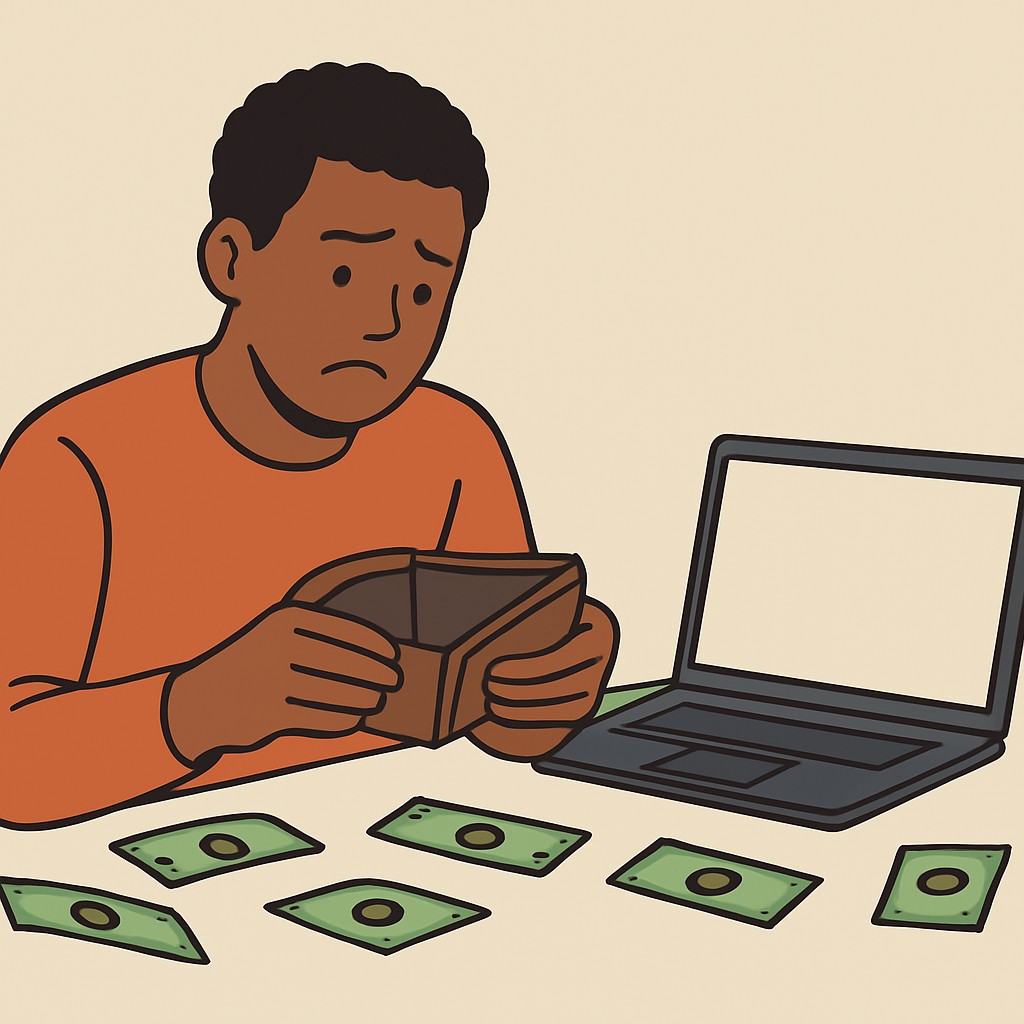
Strategies to Control Impulse Spending and Prevent Falling into a Debt Spiral
Recognize and Understand Your Spending Triggers
Identifying what prompts your impulse purchases helps you manage them effectively.
Emilia Alvarez noticed stress and boredom often lead her to shop unnecessarily.
By tracking her spending habits she gained insights into her triggers.
Moreover awareness allows you to pause and reconsider before buying impulsively.
Create a Realistic Budget and Stick to It
Developing a practical budget ensures that your expenses align with your income.
Marcus Ellington sets aside specific amounts for essentials and entertainment.
Regularly reviewing your budget helps you stay accountable and adjust when necessary.
Consequently you limit unnecessary spending that can escalate debt.
Use Cash Instead of Credit Cards
Paying with cash encourages mindful spending and prevents overspending.
Sophie Nguyen switched from credit cards to cash envelopes for discretionary expenses.
This physical exchange of money helps her feel the actual cost of purchases.
As a result she controls impulse buys more effectively and reduces debt risks.
Implement a Cooling-Off Period Before Purchases
Waiting before making non-essential purchases gives time to evaluate necessity.
Jamal Thompson applies a 48-hour waiting rule on online shopping items.
This pause reduces regretful purchases and impulsive spending decisions.
Hence it protects your finances from unexpected expenses that compound debt.
Limit Exposure to Marketing and Temptations
Reducing exposure to ads and shopping environments lowers impulse buy urges.
Lily Carter unsubs from promotional emails and avoids window shopping areas.
Additionally using ad blockers on browsers minimizes online advertising exposure.
Therefore limiting triggers preserves your spending discipline and financial health.
Seek Support and Build Accountability
Sharing financial goals with trusted friends or family strengthens commitment.
Rajesh Patel joins financial literacy groups to exchange tips and encouragement.
Regular check-ins with accountability partners help maintain spending boundaries.
Thus community support plays a crucial role in preventing debt spirals.
Utilize Financial Tools and Apps
Many apps track spending and send alerts to avoid overspending.
Emma Johnson relies on budgeting apps like Mint and YNAB for better control.
Such tools provide real-time data and reminders to keep you financially disciplined.
Ultimately technology can aid significantly in managing impulse spending.
The Impact of Cultural and Social Factors on Impulse Spending Behavior in Nigeria
Social Status and Peer Influence
Social status strongly influences spending habits among many Nigerians.
Many people feel pressured to display wealth through purchases.
Friends and family often compare lifestyles openly and prompt purchases.
Moreover, social media amplifies such pressures by showing lavish lifestyles.
Platforms like Instagram and Facebook encourage spontaneous spending among users.
Consequently, individuals buy items to maintain or elevate their social standing.
Festivals and Social Gatherings
Nigerian festivals and social events often prompt generous spending.
People purchase clothes, gifts, and food to impress guests.
During weddings and naming ceremonies, expenditures frequently exceed household budgets.
This cultural expectation drives impulsive expenditures in many homes.
Additionally, community celebrations emphasize shared enjoyment over financial caution.
Many people find it difficult to refuse requests due to social pressure.
Traditional Values and Consumer Behavior
Traditional values shape Nigerian spending patterns significantly.
Respect for elders and leaders often motivates lavish gift giving.
Moreover, generosity links directly to reputation and personal honor.
Consequently, individuals make impulse purchases to uphold family dignity.
Also, cultural emphasis on appearances leads to frequent unplanned purchases.
Advertising and Media Influence
Advertisements present consumption as a route to happiness and success.
Local brands such as Chukwu Cosmetics and Lagos Fashion House use aspirational marketing.
This messaging persuades consumers that buying now improves social image.
Media campaigns target younger consumers who want to fit current trends.
Therefore, impulse purchases increase as consumers respond emotionally to ads.
Economic Factors and Credit Accessibility
Expanding access to credit cards and mobile loans alters spending behavior.
Banks like Zenith Bank and Access Bank promote instant loan options.
Easy credit tempts many people to spend beyond their means.
This accessibility sometimes results in rapid debt accumulation.
Furthermore, limited financial literacy worsens the consequences of impulse purchases.
Community Expectations and Gift Culture
Gift giving remains a central tradition in many Nigerian communities.
People feel obligated to present gifts during visits and celebrations.
Failure to participate can cause social exclusion or public criticism.
Thus, individuals often purchase extravagantly without prior planning.
This cycle reinforces impulse spending as a common social norm.
Effective Budgeting to Control Impulse Spending
Create a Realistic Monthly Budget
Begin by tracking all income and monthly expenses carefully.
Next, categorize expenses into essentials and non-essentials to prioritize spending.
Use budgeting apps like Mint or YNAB to monitor your finances conveniently.
Moreover, set clear spending limits for discretionary purchases to avoid overspending.
Plan for Savings and Emergency Funds
Allocate a portion of your income to a savings account each month.
Establish an emergency fund to cover unexpected costs and reduce borrowing.
Consequently, you will build financial security that helps resist impulsive purchases.
Review and Adjust Your Budget Regularly
Review your budget monthly to identify areas of improvement and adjust as needed.
Track progress towards debt repayment goals alongside monthly savings targets.
Finally, make changes based on lifestyle shifts or income variations to stay on track.
Strategies to Reduce Impulse Buying Tendencies
Identify Personal Triggers
Recognize emotional or situational triggers that lead to impulse spending.
For example, stress or boredom often prompt unnecessary purchases for some people.
By understanding triggers, you can develop healthier coping strategies over time.
Implement Waiting Periods Before Purchases
Introduce a 24- to 48-hour waiting period before buying non-essential items.
This pause helps evaluate if the purchase aligns with your financial goals.
Additionally, it reduces the chance of impulse decisions driven by fleeting emotions.
Use Cash Instead of Cards
Paying with cash makes spending more tangible and discourages impulsive buys.
Give yourself a weekly cash allowance to manage discretionary spending consciously.
This approach increases spending awareness and promotes more thoughtful purchases.
Building Healthy Financial Habits
Set Clear Financial Goals
Define short-term and long-term financial objectives, such as debt-free living.
Write down goals and revisit them regularly to maintain motivation.
Additionally, share goals with a trusted friend or advisor for accountability.
Automate Bill Payments and Savings
Automate monthly bill payments to avoid late fees and manage cash flow efficiently.
Similarly, set up automatic transfers to savings or debt repayment accounts.
Automation reduces the mental burden and minimizes the temptation to spend impulsively.
Seek Professional Financial Guidance
Consult certified financial planners like Emily Larson or Marcus Chen for personalized advice.
They can help create strategies tailored to your unique spending patterns and debts.
Furthermore, professionals provide ongoing support to keep you accountable and focused.
The Importance of Financial Education in Reducing Impulse Buying and Managing Debt
Understanding Impulse Buying Behavior
Financial education teaches individuals to recognize impulse buying triggers.
For example, emotional stress often leads to unplanned purchases.
Moreover, marketing tactics can encourage spontaneous spending without clear needs.
By understanding these factors, people like Sarah from Greenfield learn to pause before buying.
Building Awareness Around Spending Habits
Financial literacy programs help individuals track their spending habits effectively.
They also highlight the consequences of unchecked impulse purchases.
Consequently, learners gain insight into how small purchases accumulate into significant debt.
For instance, Michael, an office manager, used budgeting lessons from ClearSave Workshops to control his expenses.
Developing Practical Money Management Skills
Financial education equips people with essential money management tools.
These include budgeting, saving, and prioritizing needs over wants.
Such skills prevent overspending and encourage responsible credit card use.
Additionally, organizations like Evergreen Credit Counseling offer personalized coaching to reinforce these practices.
Promoting Long-Term Financial Planning
Education emphasizes the importance of setting financial goals.
It encourages creating emergency funds to avoid debt during unexpected expenses.
Furthermore, it teaches repayment strategies to reduce existing debt systematically.
For example, Linda, a teacher, successfully applied these lessons to escape her credit card debt cycle.
Role of Employers and Schools in Financial Education
Many employers, like Horizon Tech, provide workshops on budgeting and debt management.
Schools have also integrated financial education into their curricula recently.
Such efforts prepare students and employees to make informed financial decisions.
Ultimately, accessible financial education reduces society’s risk of debt spirals triggered by impulsive spending.
Benefits of Financial Education
- Improves awareness of spending triggers and habits
- Provides tools for effective budgeting and saving
- Encourages goal setting and careful planning
- Supports responsible credit use and debt reduction
- Enables individuals like Sarah, Michael, and Linda to regain control
Additional Resources
The Ultimate Guide to Control Impulsive Spending | bpHope.com
Chapter 1: Enhancing Resilience amid Global Trade Uncertainty 1


