








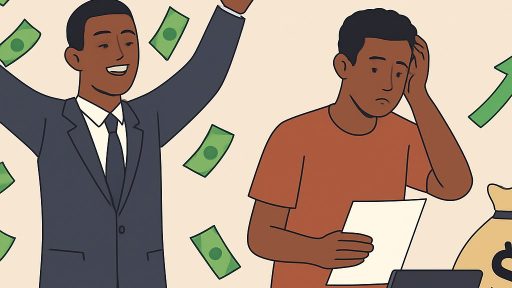
The Dangerous Illusion of Feeling ‘Rich’ When You’re Paid
Psychology of Payday Payday triggers biases that influence spending decisions. These biases often make short term choices feel…
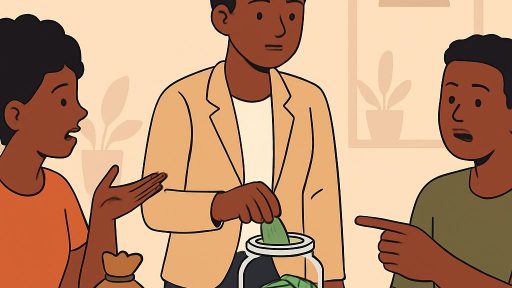
The Social Pressure of Spending and the Courage to Save
How Social Norms Encourage Conspicuous Spending Nigerian cultural and social norms reward visible displays of success. These expectations…
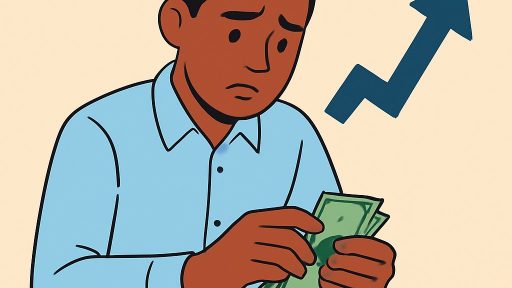
The Real Reason You Feel Poorer After Every Paycheck
How Inflation and Currency Erosion Shrink Your Paycheck This article explains how inflation and currency erosion reduce real…

Why Early Coverage Costs Less and Protects More
Why Purchasing Insurance Younger Lowers Costs Insurers set premiums based on expected future risk. Actuaries estimate future claims…
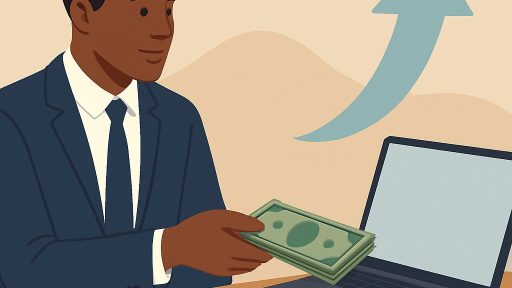
The Invisible Debt That Comes From Borrowing Peace of Mind
Define ‘Borrowing Peace of Mind’ This phrase describes trading immediate calm for future obligations. In other words, a…

The Financial Blind Spots That Sink Young Startups
Hidden Cash-Flow Traps Young startups often face hidden cash flow traps that threaten survival. Founders must identify common…

Why Home Ownership Isn’t About Age, But Financial Readiness
Debunking the Age Myth Many believe that a specific age determines homeownership readiness. However, timing depends more on…
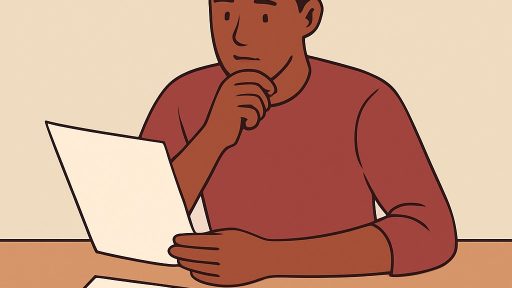
Why Every Young Adult Should Understand Ownership vs. Consumption
Ownership and Consumption Defined Ownership and consumption are distinct financial concepts. Understanding each term helps people make better…
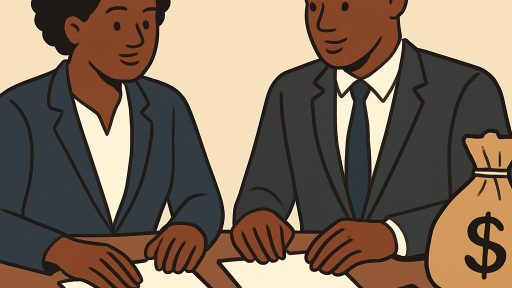
How Early Planning Gives You Power Over Life’s Uncertainties
Why Early Financial Planning Matters Early financial planning shapes how you manage future money matters. It influences feelings,…
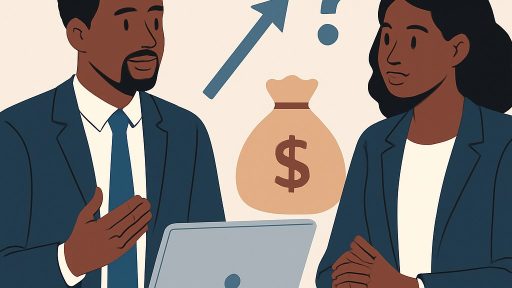
Understanding Risk: What School Never Taught About Wealth Building
Why School Did Not Teach Financial Risk Formal schooling often omits practical personal finance topics. Educational gaps create…