




Long-Term Repayments and Financial Foundations
Long-term loan repayments siphon money from household budgets.
Consequently, they change short- and long-term financial priorities.
Long-term repayments interact with other obligations and income changes.
Impact on Savings
Regular repayments reduce the amount available to save each month.
Therefore, savings goals take longer to reach.
Moreover, interest on savings grows slower when contributions decrease.
Reduced Monthly Surplus
Monthly budgets often prioritize payments over discretionary savings.
Consequently, people skip automatic transfers to savings accounts.
Money directed to loans cannot fund other financial opportunities.
Opportunity Costs
Thus, potential investments or purchases get postponed indefinitely.
Repayment demands reduce disposable income for major purchases.
Additionally, stress from financial strain can affect decision-making.
Strain on Emergency Funds
Long-term repayments make building emergency funds harder.
Therefore, households have smaller cushions for unexpected expenses.
- Emergency savings levels stay insufficient for many unforeseen events.
- Consequently, people may turn to high-cost borrowing in crises.
- Moreover, recovery from financial shocks takes longer with limited reserves.
Delay in Retirement Planning
Ongoing repayments reduce retirement contributions over time.
Your Personalized Financial Plan
Get expert financial advice tailored exclusively to your goals. Receive a custom roadmap in just 1-3 business days.
Get StartedThus, retirement account balances grow more slowly than planned.
Furthermore, compounding benefits decrease when contributions stay low.
Changing Retirement Timelines
People may postpone retirement savings or delay retirement age.
Consequently, expected lifestyle at retirement may require adjustment.
Additionally, adjusting budgets can free funds for retirement contributions.
Cascading Financial Effects
Therefore, they can influence housing, family planning, and career choices.
- Repayment demands reduce disposable income for major purchases.
- Additionally, stress from financial strain can affect decision-making.
- Moreover, limited liquidity constrains flexibility during income shocks.
Practical Approaches to Protect Financial Goals
Individuals can prioritize creating a basic emergency fund first.
Furthermore, reviewing repayment plans may reveal manageable paths.
- Set small, consistent savings targets.
- Reassess financial priorities regularly.
- Seek professional financial advice if needed.
Opportunity Costs: Delayed Homeownership, Business Startups and Wealth Accumulation
Obligations from student debt change major life decisions.
Consequently, many individuals delay significant milestones.
Meanwhile, those delays create missed financial opportunities over decades.
Delayed Homeownership
Debt payments can postpone buying a home.
As a result, buyers may enter the market later in life.
Later entry reduces the years available for building home equity.
Unlock a Debt-Free Future with Our Unique Strategies
Imagine a life unburdened by debt—a reality we help you visualize and achieve. We offer personalized strategies tailored to your unique situation, guiding you step-by-step toward financial freedom.
Start TodayTiming of Home Purchases
Student debt often increases the likelihood of waiting to buy.
Therefore, first purchases sometimes occur at older ages.
This shift shortens the horizon for equity accumulation.
Buying Power and Mortgage Qualification
Lenders consider ongoing obligations when assessing mortgage applications.
Consequently, applicants may qualify for smaller mortgage amounts.
Thus, buyers might settle for less valuable properties.
Barriers to Starting a Business
Regular debt obligations limit available funds for startup expenses.
Moreover, entrepreneurs may postpone investments that reduce short term income.
Debt pressures often reduce appetite for entrepreneurial risk.
Access to Startup Capital
Ongoing repayments limit cash for initial business expenses.
Consequently, entrepreneurs may delay investments that lower short term income.
Those delays can reduce the pace of business formation.
Risk Tolerance and Timing
Debt pressures often reduce entrepreneurial risk tolerance.
As a result, some people delay business formation indefinitely.
Unlock Untapped Nigerian Wealth with Our Expert Advice
Imagine accessing investment opportunities others overlook—stocks, bonds, real estate, small businesses tailored to you. We offer personalized advice you won't find elsewhere, guiding you to financial success.
Unlock WealthMeanwhile, relevant market windows can close during that delay.
Wealth Accumulation Over Time
Delayed investments forfeit potential compound growth.
Also, early contributions tend to multiply across many years.
Ongoing repayments can restrict the ability to diversify holdings.
Missed Compound Growth
Forgone early investments reduce long term compound returns.
Those lost returns affect net worth across decades.
Starting investments later narrows potential growth.
Asset Diversification and Portfolio Building
Regular repayments can limit contributions to diverse investments.
Therefore, portfolios may remain underfunded or overly concentrated.
Limited diversification reduces financial resilience.
Long-Term Financial Mobility
Reduced asset accumulation can limit future financial options.
Consequently, individuals may face constrained choices later in life.
That constraint may affect career and housing choices.
Mitigation Strategies
Individuals can assess trade offs before committing to long term obligations.
Adjusting timelines can align goals with available resources.
Regular reviews help identify recoverable opportunities.
Assessing Trade-Offs
People can weigh short term costs against long term benefits.
Making small adjustments to timelines supports attainable goals.
That strategic approach can improve wealth trajectories over time.
Ongoing Review
Regularly review financial priorities to spot recoverable opportunities.
Small strategic changes can improve long term wealth trajectories.
Periodic adjustments maintain alignment with changing income and obligations.
Career Choices Under Financial Pressure
Debt obligations influence career decisions.
Financial pressure drives choices between income and calling.
People face trade-offs that shape career paths.
Immediate Financial Imperatives
Debt obligations can create immediate income requirements.
Many prioritize roles offering higher pay instead of personal passion.
Predictable paychecks reduce short-term financial uncertainty for households.
Trade-offs Between Purpose and Pay
Passion-driven work and public service often offer lower immediate compensation.
Consequently individuals accept higher-paid roles to meet payment demands.
This choice can deprioritize personal values and long-term goals.
Mechanisms That Shift Decisions
Several mechanisms influence career direction under debt pressure.
Employers often reward higher-paid skills with faster advancement.
Eligibility rules and credential expectations can restrict access to low-paid sectors.
- Employers often reward higher-paid skills with faster advancement.
- Therefore candidates choose fields with clearer pay scales.
- High workloads in well-paid jobs can discourage transitions back to passion roles.
- Additionally eligibility rules and credential expectations can limit low-paid sectors.
Long-Term Emotional and Professional Consequences
People can experience regret when their work diverges from initial passions.
Prolonged misalignment reduces overall job satisfaction over time.
Skills may narrow toward higher-paying niches with continued focus on pay.
Later career changes can feel risky or impractical for many.
Choices People Consider When Facing Debt Pressures
Some accept higher-pay positions while postponing passion projects.
Others seek supplemental income to support meaningful work later.
Some pursue benefits that lower out-of-pocket expenses for families.
Each option carries trade-offs affecting long-term fulfillment and priorities.
Reflections on Future Regret Potential
Prioritizing immediate income can leave regret unaddressed.
Increased awareness of these pressures helps people make intentional decisions.
The tension between financial necessity and personal calling shapes careers.
Learn More: The Link Between Impulse Spending and Debt Spiral
Psychological and Social Consequences of Prolonged Indebtedness
Prolonged indebtedness affects psychological and social aspects of life.
It creates stress, strains relationships, and alters social participation.
Therefore, the following sections describe emotional, relational, and social consequences.
Emotional Toll and Mental Health
Prolonged indebtedness often generates persistent stress and chronic worry.
Moreover, that stress can reduce overall emotional well-being over time.
Consequently, individuals may experience anxiety or persistent low mood.
Additionally, some people feel shame and diminished self-worth.
Therefore, mental health burdens can impair daily functioning and routines.
Impact on Close Relationships
Debt pressures frequently strain romantic and family relationships.
Furthermore, financial disagreements can become recurrent sources of conflict.
Partners may avoid discussing money to prevent arguments.
As a result, communication can break down gradually between partners.
Consequently, trust and intimacy may erode in close bonds.
Common Relationship Dynamics
- Unequal financial burdens can create resentment between partners.
- Secrecy about debts can undermine mutual understanding and cooperation.
- Caregiving roles may shift when stress reduces emotional availability.
Social Isolation and Community Participation
Individuals may withdraw from social activities to save money.
As a result, they might miss important social connections and events.
Additionally, weakened social networks can reduce access to practical support.
Consequently, loneliness and social exclusion may increase over time.
Interpersonal Communication and Conflict
People often conceal financial troubles from friends and family.
However, this secrecy can lead to misunderstandings and growing mistrust.
Moreover, differing values about money can intensify interpersonal tension.
Therefore, unresolved conflicts can become chronic and emotionally draining.
Coping Responses and Long-term Effects
People may adopt short-term coping strategies to manage stress.
However, some coping choices can harm relationships and trust.
Additionally, prolonged stress can alter social habits and decision patterns.
Therefore, indebtedness can shape social trajectories across many years.
Find Out More: Why Debt Consolidation Could Be a Lifeline for Nigerians
Effect on Creditworthiness and Access to Affordable Financing
Lenders adjust loan offers based on overall credit profiles.
Moreover, higher perceived risk often leads to higher borrowing costs.
Consequently, borrowers may face reduced flexibility in financing options.
How Debt Shapes Credit Profiles
Student debt can influence how lenders evaluate personal credit risk.
Lenders review repayment history and outstanding balances.
Consequently, missed payments can harm perceived financial responsibility.
Key Credit Impacts
- Payment history forms a core part of credit evaluations.
- Debt-to-income measures help lenders assess repayment ability.
- Perceived risk can translate into less favorable loan terms.
- Existing obligations may reduce approved loan amounts.
- Stronger documentation can shorten underwriting and review times.
Effects on Loan Terms and Affordability
Additionally, the ratio of debt to income affects perceived borrowing capacity.
Consequently, tighter terms can increase monthly payment burdens.
Therefore, ongoing obligations can constrain future credit options.
Practical Pathways to Strengthen Future Access
Borrowers can strengthen credit profiles through consistent on-time payments.
Additionally, reducing other outstanding debts can improve affordability.
Furthermore, maintaining low utilization supports better credit standing.
However, meaningful improvement requires time and disciplined budgeting.
Therefore, proactive planning enhances chances for affordable future financing.
See Related Content: Avoiding Debt Traps in a Fast-Paced Nigerian Economy
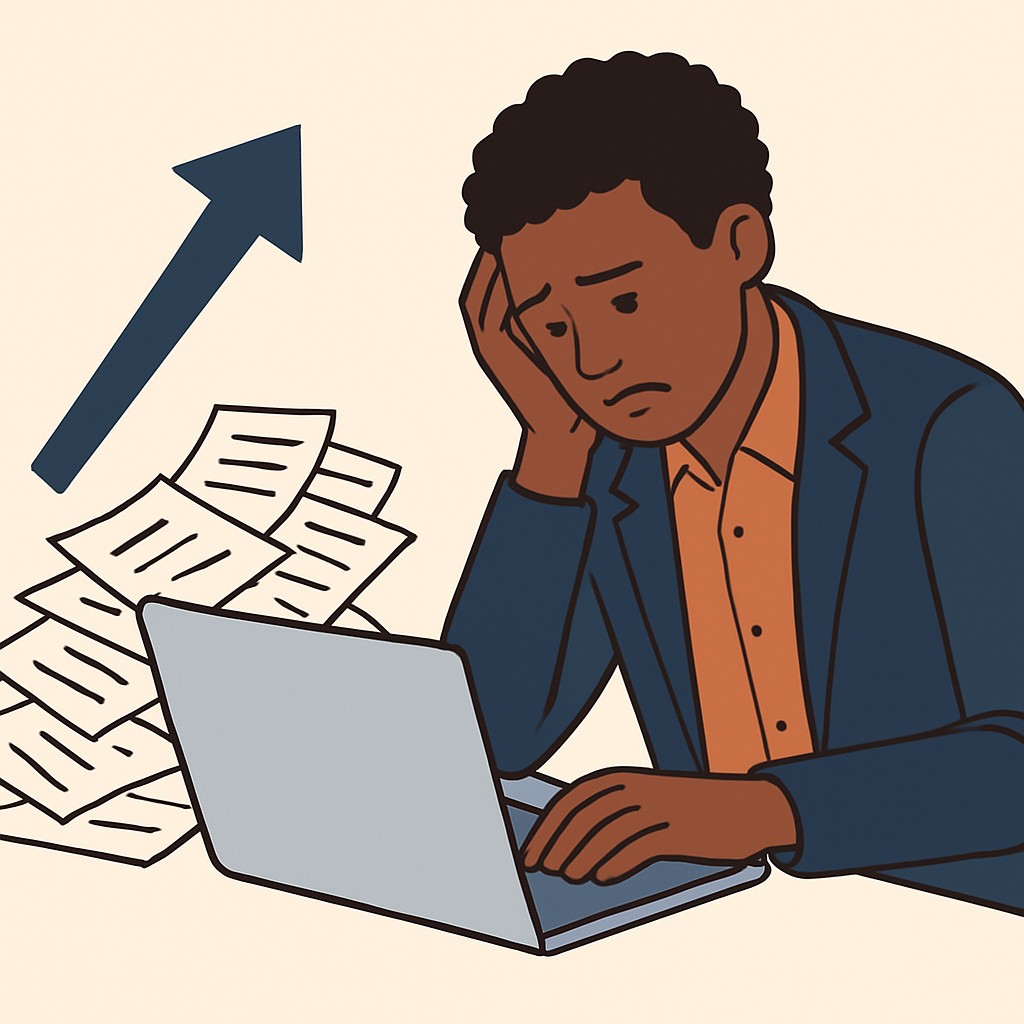
Intergenerational Burden
Student debt can limit a person’s capacity to provide financial support to family members.
Moreover, debt can carry emotional consequences across family relationships.
Outstanding loans can alter inheritance expectations for future generations.
Impact on Family Support
Consequently, relatives may receive less help during emergencies or transitions.
Additionally, funds intended for family needs may divert toward loan obligations.
Previously covered repayment effects inform this family’s financial context.
Caregiving and Dependents
Debt burdens can shape decisions about having or supporting dependents.
For example, individuals may delay parenthood or reduce childcare spending.
Moreover, caregivers may struggle to cover medical or educational needs for dependents.
Effects on Inheritance and Estate Planning
Consequently, heirs may inherit fewer assets or face unresolved obligations.
Therefore, families might revise estate plans to address potential loan impacts.
Additionally, open communication about financial legacies can reduce surprises later.
Emotional Legacy and Family Dynamics
Moreover, resentment or guilt may affect interactions among relatives.
Consequently, financial conversations can become sources of tension or avoidance.
Furthermore, patterns of support may reinforce or reduce intergenerational mobility.
Paths Families Often Take
- Some families pool resources to meet immediate family needs.
- Others adjust inheritance expectations to account for outstanding obligations.
- Meanwhile, some prioritize debt repayment before transferring wealth across generations.
- Finally, families may increase communication about money and future responsibilities.
Practical Steps for Families
First, families can communicate early about financial expectations and responsibilities.
Moreover, jointly developed plans can clarify support roles and inheritance intentions.
Additionally, documenting wishes reduces uncertainty for dependents and heirs.
Furthermore, regular review of family finances can adapt plans as circumstances change.
Find Out More: How to Build Credit While Paying Off Debt in Nigeria
Practical Strategies for Students and Families
This section outlines practical steps families can take to prevent crippling student debt.
Additionally, it offers mitigation ideas for students facing rising education costs.
Families should review options before making enrollment decisions.
Assess Cost and Budget Before Enrolling
Research net cost for each school and program you consider.
Estimate living expenses and tuition to create a realistic budget.
Also involve family in affordability conversations early.
Maximize Free and Low-Cost Aid
Search broadly for scholarships and grants that do not require repayment.
Additionally, apply to institutional aid and local community awards.
Also explore employer tuition benefits and community-based funding options.
- Scholarships target academic, extracurricular, and personal qualities.
- Grants reduce cost without future obligations.
- Work-study programs combine work and study to offset expenses.
Choose Cost-Effective Education Pathways
Start with less expensive institutions when possible.
Consider transferring after completing general education requirements.
Also evaluate accelerated programs to shorten time to completion.
Work and Earn During Study
Balance part-time work with academic commitments to manage expenses.
Additionally, seek internships that provide relevant experience and pay.
Moreover, plan schedules to avoid academic overload while earning income.
Borrow Carefully and Strategically
Only borrow amounts that cover essential education costs.
Compare loan terms and repayment obligations before signing agreements.
Also prioritize lower-cost borrowing options when financing becomes necessary.
Family Planning and Communication
Hold frank conversations about expectations and financial responsibilities.
Additionally, create a written plan outlining contributions and contingencies.
Moreover, reassess plans if circumstances or school costs change.
Build Financial Skills Early
Teach budgeting, saving, and simple financial planning to students.
Also encourage small emergency savings to cover unexpected expenses.
Furthermore, use financial education resources to strengthen money management skills.
Regularly Review and Adjust Plans
Schedule periodic reviews of budget, aid, and academic progress.
Additionally, request aid appeals when costs rise unexpectedly.
Consequently, adjust enrollment or spending to keep finances sustainable.
Structural and Policy Drivers in the Nigerian Context
This section describes structural and policy drivers.
The focus is the Nigerian context.
Taken together these structural features increase the likelihood of long term regret.
Public Funding and Budget Priorities
Public funding often falls short.
It fails to cover rising education costs.
Consequently families and institutions seek alternative financing arrangements.
Higher Education Financing Models
Many institutions rely on tuition and fee revenue.
They use this revenue for operations.
Therefore students face variable charges and unclear long term obligations.
Regulatory and Oversight Gaps
Weak regulation allows inconsistent fee setting.
This occurs across different institutions.
Additionally oversight shortfalls limit consumer protection for learners.
Marketization and Private Provision
Increased private provision can shift priorities.
Providers may focus on revenue generation.
Moreover some providers may prioritize enrollment growth over educational quality.
Program Design and Loan Administration
Loan programs that lack flexibility create rigid repayment expectations.
Furthermore poor targeting of financial aid occurs.
This misses vulnerable student populations.
Information and Transparency Failures
Opaqueness about costs and outcomes undermines informed decision making.
Students lack clear information on costs and outcomes.
Consequently they may enroll without understanding value and risks.
Labor Market Alignment and Returns to Education
Misalignment between educational programs and labor demand reduces expected returns.
Therefore education costs can feel disproportionate.
They may not match expected career prospects.
Governance and Resource Management
Poor governance can divert resources away from teaching and learning.
Additionally weak accountability increases the likelihood of inefficient spending.
This dynamic reduces focus on teaching and learning.
Macroeconomic and Fiscal Context
Macroeconomic instability makes future costs and obligations unpredictable.
Meanwhile fiscal constraints limit the ability of public bodies to increase education funding.
This fiscal environment constrains public education funding options.
Additional Resources
Bing search results for Why Student Debt Can Be the Gateway to a Lifetime of Regret Debt Management


