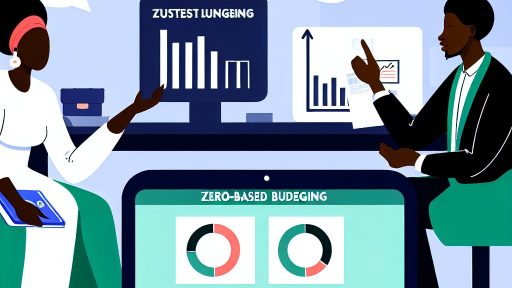




Understanding the Importance of Financial Discipline in Nigerian Households
Financial Challenges Facing Nigerian Families
Nigerian households often experience irregular income streams due to the informal economy.
Consequently, budgeting becomes difficult without proper financial discipline.
Inflation and rising living costs put additional pressure on family finances.
Moreover, unexpected expenses such as medical bills increase financial vulnerability.
Without control over spending, families risk falling into debt traps.
Benefits of Practicing Financial Discipline
Financial discipline helps families prioritize essential expenses first.
This habit encourages regular savings, building future financial security.
Additionally, disciplined budgeting reduces impulsive spending tendencies.
Families who manage their money well can plan for children's education more effectively.
It also prepares them to handle emergencies without resorting to loans.
Building a Culture of Financial Awareness
Educating all household members on money management strengthens family finances.
Parents can model good financial habits for their children to follow.
Community programs in places like Lagos and Abuja promote financial literacy successfully.
Companies such as Zenith Bank have launched initiatives to support customer money management.
Therefore, fostering financial discipline starts with knowledge and consistent practice.
Your Personalized Financial Plan
Get expert financial advice tailored exclusively to your goals. Receive a custom roadmap in just 1-3 business days.
Get StartedHow a Personal Finance Plan Helps Manage Irregular and Fluctuating Income
Recognizing the Nature of Irregular Income
Many Nigerians earn income that varies from month to month.
For example, freelancers like Chinedu Mbanefo receive payments based on projects.
Small business owners such as Ifeoma Okafor experience seasonal fluctuations in sales.
Understanding these income patterns is the first step towards effective money management.
Creating Stability Through Budgeting
A personal finance plan enables individuals to build a realistic budget despite income uncertainty.
Initially, it involves tracking all sources of income and their frequency.
Next, prioritizing essential expenses such as rent, utilities, and food becomes easier.
Additionally, setting aside funds for irregular expenses helps avoid surprises.
Establishing an Emergency Fund
A personal finance plan encourages building an emergency fund for lean periods.
For example, Amaka Nwankwo saves consistently during high-income months.
This fund provides a safety net when unexpected expenses arise or income dips.
Also, it prevents reliance on high-interest loans during tough times.
Enhancing Decision-Making With Cash Flow Management
Tracking cash inflow and outflow offers clear insight into financial health.
Consequently, it empowers better choices regarding spending and saving.
Unlock a Debt-Free Future with Our Unique Strategies
Imagine a life unburdened by debt—a reality we help you visualize and achieve. We offer personalized strategies tailored to your unique situation, guiding you step-by-step toward financial freedom.
Start TodayConsider Uche Eze, who adjusts monthly expenses according to fluctuating earnings.
She avoids unnecessary debt by aligning spending to actual income.
Supporting Long-Term Financial Goals
Even with irregular income, a finance plan sets a path to achieve goals.
For instance, Tunde Ajayi manages his irregular freelance payments to save for a home.
Regular contributions, no matter how small, accumulate over time.
Therefore, financial plans provide structure that turns irregular earnings into steady growth.
The Role of Budgeting in Achieving Financial Goals and Avoiding Debt
Budgeting as a Foundation for Financial Success
Budgeting helps individuals understand their income and expenses clearly.
It allows people like Samuel Okafor to track monthly spending effectively.
By doing this, they can allocate funds to important goals without overspending.
Budgeting encourages disciplined saving habits that build financial resilience.
Therefore, it forms the foundation for achieving short-term and long-term financial objectives.
How Budgeting Prevents Debt Accumulation
When Emeka Adetola follows a detailed budget, he avoids unnecessary borrowing.
Budgeting highlights areas where expenses can be reduced or optimized.
This prevents impulsive purchases that often lead to high-interest debt.
Unlock Untapped Nigerian Wealth with Our Expert Advice
Imagine accessing investment opportunities others overlook—stocks, bonds, real estate, small businesses tailored to you. We offer personalized advice you won't find elsewhere, guiding you to financial success.
Unlock WealthAdditionally, budgeting improves awareness of due dates to help avoid penalty fees.
Thus, a consistent budget acts as a powerful tool against debt accumulation.
Steps to Create an Effective Budget
- Calculate your total monthly income from all sources.
- List all fixed expenses such as rent and utilities with precision.
- Identify variable expenses and set reasonable spending limits for each.
- Allocate a portion of your income to savings and emergency funds.
- Monitor your spending weekly and adjust your budget when necessary.
Financial Benefits Experienced by Nigerians Who Budget
Nigerians practicing budgeting, like Amina Yusuf, gain financial clarity and peace.
They reduce stress by living within their means and planning for future needs.
Moreover, budgeting enhances the ability to invest in education, health, and business.
It also empowers families to build wealth steadily and avoid financial crises.
Ultimately, budgeting transforms financial challenges into manageable goals.
Gain More Insights: Why Family Budgets Are Essential for Financial Stability
Preparing for Unexpected Emergencies Through Effective Savings Strategies
Importance of an Emergency Fund
Unexpected emergencies can disrupt even the best financial plans.
An emergency fund acts as a financial safety net during crises.
Therefore, building this fund should be a priority for everyone.
It provides peace of mind and shields you from debt traps.
Setting Realistic Savings Goals
Start by assessing your monthly expenses carefully and realistically.
Then, determine an attainable savings target for your emergency fund.
Financial advisor Akinwale Akinsanya recommends aiming for three to six months of expenses.
However, even small, consistent contributions will grow over time.
Practical Strategies to Build Savings
Begin by automating regular transfers to a dedicated savings account.
This approach reduces the temptation to spend the money elsewhere.
Additionally, cut unnecessary expenses without compromising your essentials.
Consider alternatives like cooking at home instead of eating out frequently.
Some banks, like GTBank Nigeria, offer high-yield savings accounts to boost growth.
Maintaining and Growing Your Emergency Fund
Review your emergency fund annually to ensure it aligns with your expenses.
Also, adjust your savings rate as your financial situation changes.
Moreover, keep the fund easily accessible but separate from daily spending accounts.
This separation helps you resist the urge to dip into savings unnecessarily.
Finally, financial expert Olumide Adesiyan advises reinvesting interest earned to accelerate growth.
You Might Also Like: The Benefits of Zero-Based Budgeting for Nigerians
Leveraging a Personal Finance Plan to Build Wealth and Secure Retirement
Creating a Strong Foundation for Wealth Building
A personal finance plan helps individuals organize their earnings and expenses effectively.
With a clear plan, Ayodele Adekunle evaluates his income sources and prioritizes savings.
He tracks monthly spending to identify unnecessary costs.
This increases his saving potential.
Moreover, budgeting tools like those from FinTrack Nigeria assist in managing finances securely.
Consequently, consistent saving empowers Ayodele to invest confidently.
This approach helps him build wealth gradually.
Strategic Investing Through Personal Finance Planning
Understanding personal finances allows Chiamaka Obi to allocate funds wisely.
She researches local investment options including mutual funds and Treasury bills.
Additionally, diversification reduces risk and maximizes returns over time.
For instance, Chiamaka balances investments between fixed income and growth stocks.
Financial advisors at Lagos Wealth Partners guide her decisions for optimized growth.
Therefore, a well-structured plan transforms saving habits into wealth accumulation.
Preparing for a Comfortable Retirement
Planning finances early ensures David Eze secures his retirement lifestyle.
He contributes regularly to the National Pension Commission (PenCom) scheme.
Besides pensions, David invests in real estate and long-term savings accounts.
Furthermore, tracking retirement goals keeps him motivated and disciplined.
Retirement calculators from Access Financial Services help him estimate needed savings.
Thus, David avoids financial uncertainty by preparing proactively for retirement.
Maintaining Financial Plans Through Regular Review and Adjustment
Personal finance plans must adapt as income and life circumstances change.
Funke Alade reviews her budget quarterly to align with career growth.
She adjusts investments to reflect new financial goals and market conditions.
Moreover, she consults with her financial planner at Wealthwise Nigeria for advice.
This regular evaluation preserves the effectiveness of her finance plan.
Dynamic planning sustains wealth growth and retirement readiness.
See Related Content: How to Use Technology to Simplify Budgeting in Nigeria
The impact of inflation and how a personal finance plan mitigates its effects
Understanding Inflation in Nigeria
Inflation causes the general rise in prices of goods and services over time.
Recently, Nigeria has experienced significant inflation affecting everyday expenses.
For instance, food prices, transportation costs, and utility bills have increased steadily.
These rising costs reduce the purchasing power of Nigerians.
Therefore, money saved today may buy less in the near future.
Without a plan, individuals risk depleting their savings quickly due to inflation.
How a Personal Finance Plan Combats Inflation
A personal finance plan helps individuals manage their money efficiently despite inflation.
First, it encourages budgeting to track and control expenses consciously.
Next, it promotes prioritizing essential spending to avoid unnecessary purchases.
Additionally, proper planning supports regular savings to build a financial cushion.
Investing is another vital strategy incorporated into personal finance plans.
Through investments, money can grow faster than the inflation rate.
This growth protects and increases real wealth over time.
Steps to Protect Finances from Inflation
Begin by reviewing monthly income and expenses to identify saving opportunities.
Then, allocate a percentage of income towards inflation-beating investments.
Examples include stocks, government bonds, and real estate in stable markets.
Moreover, diversify investments to reduce risks and enhance returns.
Regularly monitor and adjust the plan to accommodate economic changes.
Finally, seek advice from trusted financial experts like Ola Financial Consultants or Nneka Wealth Advisors.
Benefits of Having a Personal Finance Plan in an Inflationary Economy
A well-structured plan offers peace of mind by ensuring financial stability.
It also helps avoid debt accumulation caused by unplanned expenses.
Furthermore, it allows individuals to reach long-term goals such as homeownership or education.
Besides, it builds resilience against sudden economic shocks or emergencies.
Ultimately, it empowers Nigerians to maintain financial independence and security.
Learn More: How to Build a Budget That Fits the Nigerian Lifestyle (And Sticks)

Using a Finance Plan to Make Informed Investment Decisions in the Nigerian Market
Understanding the Importance of a Personal Finance Plan
A personal finance plan guides Nigerians in managing their money effectively.
It helps set clear financial goals aligned with individual needs.
Moreover, it provides a roadmap for investment decisions based on available resources.
Without a plan, investors risk making impulsive and uninformed choices.
Thus, a finance plan enhances discipline and prioritization in budgeting and investing.
Analyzing the Nigerian Market Environment
The Nigerian market is dynamic and influenced by diverse economic factors.
For example, currency fluctuations and inflation impact investment returns.
Additionally, sector performance varies across industries like agriculture, technology, and energy.
Therefore, understanding these factors is crucial before allocating funds.
A finance plan encourages ongoing market research to stay updated on trends.
Setting Investment Goals Based on a Finance Plan
Investment goals must reflect personal risk tolerance and time horizons.
Short-term goals may include emergency savings or education fees.
Long-term goals often target retirement funds or property acquisition.
By defining these goals, individuals can select suitable investment vehicles in Nigeria.
For instance, mutual funds or government bonds may fit conservative goals.
Evaluating Potential Investment Options
A structured finance plan assists in comparing various investment options.
Nigerian equities can offer growth but come with higher risk.
Fixed-income assets provide steady returns with lower volatility.
Real estate investments may serve as a hedge against inflation in Lagos and Abuja.
Likewise, involvement in agricultural ventures presents opportunities tied to domestic demand.
Furthermore, diversifying across these options reduces overall investment risk.
Implementing Risk Management Strategies
Risk management is integral to making informed investment decisions.
A proper finance plan identifies exposure limits to protect capital.
It emphasizes the need for an emergency fund before engaging in speculative investments.
Regular portfolio reviews help adjust to economic or personal changes.
Moreover, consulting financial advisors like Emeka Nwosu enhances decision accuracy.
Tracking and Adjusting Investment Performance
Consistent monitoring ensures investments align with financial goals.
Using tools like budgeting apps tailored for Nigerian users aids tracking.
Adjustments may arise from market shifts or changes in income level.
Finance plans guide timely reallocation to optimize returns and minimize losses.
This ongoing process strengthens financial resilience and growth.
Enhancing Financial Literacy and Promoting Long-Term Financial Independence
Building Strong Financial Foundations
Understanding personal finance empowers Nigerians to make informed money decisions.
Financial literacy reduces vulnerability to debt and financial scams.
Moreover, it helps individuals distinguish between wants and needs effectively.
Learning budgeting basics enables better management of daily expenses.
Consequently, many Nigerians can avoid living paycheck to paycheck.
Encouraging Smart Savings and Investments
Developing a personal finance plan encourages consistent saving habits.
In Nigeria, saving is crucial amidst economic fluctuations and inflation.
Additionally, financial literacy provides knowledge about diverse investment opportunities.
This knowledge helps people grow wealth through stocks, real estate, or local businesses.
Therefore, they secure financial stability and pass wealth to future generations.
Reducing Financial Stress and Increasing Confidence
A clear financial plan reduces anxiety about money matters.
When Nigerians understand their financial situation, they gain peace of mind.
Furthermore, financial education increases confidence in negotiating salaries and loans.
It also empowers individuals to plan for emergencies and unexpected expenses.
Hence, people face financial challenges with resilience and preparedness.
Promoting Economic Growth and Community Development
Financially independent individuals contribute positively to Nigeria’s economy.
They create job opportunities by investing in local enterprises.
In addition, educated consumers support responsible businesses and fair trade.
This collective effort boosts national economic stability and reduces poverty levels.
Ultimately, financial literacy fosters vibrant and prosperous Nigerian communities.
Reducing Stress and Improving Mental Well-Being Through Organized Finances
Financial Order as a Path to Peace of Mind
Organizing your finances creates clarity and reduces uncertainty about your money.
When you have a clear plan, you avoid sudden financial shocks that cause anxiety.
Additionally, structured finances help in prioritizing expenses and controlling impulsive spending.
This control enhances confidence and lowers stress levels in everyday life.
For example, Amaka, a Lagos-based business owner, found peace after setting monthly budgets.
Her stress decreased as she tracked her income and expenses consistently.
How Personal Finance Planning Supports Mental Health
Financial worries can trigger mental health challenges such as anxiety and depression.
Therefore, a personal finance plan acts as a preventive measure against these issues.
By forecasting expenses, you prepare for emergencies without panic or despair.
This preparation builds resilience in handling unexpected costs like medical bills.
Clients of Ayo Financial Advisors report improved emotional well-being due to smart money management.
They feel empowered knowing they have funds set aside for future needs.
Practical Steps to Achieve Financial Organization
Start by listing all sources of income and monthly essential expenses.
Next, create a budget that outlines your spending limits in each category.
Use tools like mobile apps or spreadsheets to track your financial progress.
Set specific savings goals, such as a fund for education or home improvements.
Consult financial experts like Yusuf Investment Group for personalized advice.
Doing so enables you to handle money systematically and avoid unnecessary stress.
Benefits of Consistent Financial Review
Regularly reviewing your finances ensures you stay on track with your goals.
This habit helps detect potential problems early before they escalate.
Moreover, it encourages adjustment of your plans according to changing circumstances.
Oluwatobi, a software developer in Abuja, credits monthly reviews for maintaining balance.
He feels mentally relaxed knowing his financial health is constantly monitored.
Ultimately, maintaining organized finances nurtures long-term mental stability.
Adapting to Nigeria’s Economic Challenges with a Flexible Financial Plan
Understanding Nigeria’s Economic Landscape
Nigeria’s economy faces fluctuations driven by global and local factors.
Inflation and currency volatility often impact daily living expenses.
Changing government policies can affect business and employment.
A financial plan must remain adaptable to these shifting conditions.
Importance of Flexibility in Financial Planning
A flexible plan allows Nigerians to adjust their budgets when circumstances change.
It also helps in managing unexpected expenses without financial distress.
Moreover, it supports reallocating savings toward urgent or new priorities.
Flexibility increases resilience against economic shocks and uncertainties.
Strategies for Building a Flexible Financial Plan
Regular Budget Reviews
Review your income and expenses monthly to identify changes in financial needs.
Adjust spending habits immediately to reflect current economic realities.
Diversify Income Sources
Explore side hustles or part-time ventures like digital marketing or agriculture.
This diversification provides extra cash flow during economic downturns.
Emergency Fund Creation
Save at least three to six months’ worth of essential expenses in an accessible account.
This fund secures you against job loss or unforeseen medical costs.
Debt Management
Prioritize paying off high-interest debt to reduce financial burden.
Negotiate flexible repayment terms with creditors as needed.
Leveraging Local Financial Tools
Use mobile banking platforms like Kuda and FairMoney for easy money management.
Participate in cooperative savings groups to build communal financial security.
Consult financial advisors such as those at Lagos Wealth Partners for tailored guidance.
Building Financial Literacy for Long-Term Success
Engage in workshops and online courses offered by institutions such as the Nigerian Stock Exchange.
Stay informed about inflation trends and economic forecasts via local news outlets.
Share knowledge within communities to strengthen collective financial resilience.
Additional Resources
Diaspora – First Bank of Nigeria
Stakeholders’ Perspectives on the Financial Sustainability of the HIV …