



Understanding the Importance of Budgeting within the Nigerian Economic Context
Economic Challenges and Their Impact on Finances
Nigeria’s economy experiences frequent fluctuations due to global oil prices.
Many families face unpredictable income streams each month.
Inflation remains a persistent challenge affecting purchasing power.
This situation makes effective budgeting essential for financial stability.
Adapting Budgets to Local Income Patterns
Most Nigerians earn income through informal or irregular work sectors.
Budgets must be flexible to accommodate variable income timing.
For instance, seasonal market traders like Adaora Ojo plan for leaner months carefully.
Setting aside funds during peak periods helps manage dry spells.
Managing Common Expenses in Nigerian Households
Household expenses often include school fees, utility bills, and transportation costs.
Extended family obligations frequently require financial contributions.
A practical budget accounts for these recurring and social expenses.
People like Emeka Okafor find success by listing all expenses clearly in their plans.
Encouraging Savings and Investment Despite Economic Pressures
Budgeting helps individuals prioritize savings even amid daily financial demands.
It builds resilience against unexpected events such as medical emergencies.
Savings enable opportunities for investment in small businesses or education.
Your Personalized Financial Plan
Get expert financial advice tailored exclusively to your goals. Receive a custom roadmap in just 1-3 business days.
Get StartedNkechi Ude, a Lagos entrepreneur, credits budgeting for her steady business growth.
Building Financial Discipline through Budgeting
Regularly tracking income and expenses fosters better money management skills.
Nigerians can reduce impulsive spending on non-essential items.
Budgeting promotes a mindset focused on long-term financial goals.
Adewale Balogun planned carefully to save for his children's university fees.
Government Policies and Economic Environment
Changes in policies like fuel subsidy removal impact household budgets significantly.
Staying informed aids Nigerians in adjusting their budgets timely.
Currency fluctuations affect the cost of imported goods and services.
Budgeting helps individuals navigate these external economic factors.
Assessing and Tracking Your Monthly Income Sources Accurately
Identifying All Sources of Income
Start by listing every income source you receive during the month.
Include your salary from companies like Zenith Bank or Access Bank.
Remember to add any freelance work, such as assignments from Lagos Digital Media.
Also, consider side businesses, like sales from Emeka’s Electronics Store.
Don’t forget irregular incomes, like bonuses or gifts from family.
Unlock a Debt-Free Future with Our Unique Strategies
Imagine a life unburdened by debt—a reality we help you visualize and achieve. We offer personalized strategies tailored to your unique situation, guiding you step-by-step toward financial freedom.
Start TodayCreating a Reliable Income Record System
Use a simple spreadsheet or a budgeting app tailored for Nigerian users.
Apps like BudgIT Nigeria or Cowrywise can help you track income efficiently.
Ensure you record income promptly after it is received.
This habit prevents missing any source or miscalculating your total earnings.
Keep physical receipts or bank alerts as proof for cash and online payments.
Monitoring Income Consistency and Variability
Track income patterns over several months to identify variability.
For instance, freelance earnings for Kunle Oluwole fluctuate monthly.
Salary from a permanent job usually remains consistent each month.
This distinction helps forecast your average monthly income more accurately.
Adjust your budget accordingly to fit months with lower income.
Using Accurate Tracking to Build Your Budget
Once you assess your total monthly income, categorize it by source.
This breakdown clarifies your financial foundation and cash flow.
Subsequently, allocate funds to necessities and savings realistically.
Regular income tracking strengthens your ability to meet financial goals.
Unlock Untapped Nigerian Wealth with Our Expert Advice
Imagine accessing investment opportunities others overlook—stocks, bonds, real estate, small businesses tailored to you. We offer personalized advice you won't find elsewhere, guiding you to financial success.
Unlock WealthFinally, it empowers you to avoid overspending and manage emergencies better.
Identifying Essential Fixed and Variable Expenses Unique to Nigerian Households
Understanding Fixed Expenses in Nigerian Households
Fixed expenses remain constant each month and are predictable.
These expenses form the backbone of most Nigerian family budgets.
Rent or mortgage payments represent a significant fixed cost for many households.
For example, Mrs. Adekunle in Abuja pays monthly rent for her two-bedroom flat.
Utilities such as electricity and water bills tend to be fixed but can vary slightly.
Despite fluctuations, most families allocate a set amount for these regular payments.
School fees for children are another fixed expense common in Nigerian homes.
For instance, the Okoro family budgets strictly for their children’s tuition every term.
Other fixed costs include internet subscriptions, cable TV, and monthly transportation allowances.
These expenses often have predictable due dates and payment amounts.
Recognizing Variable Expenses in Nigerian Households
Variable expenses fluctuate depending on lifestyle choices and monthly activities.
Groceries constitute a major variable expense, as prices often change.
For example, Mrs. Musa adjusts her monthly food budget based on market price changes.
Transportation costs can vary significantly due to fuel price changes and travel frequency.
Many Nigerians travel frequently for work, causing monthly transport expenses to jump.
Healthcare is another essential yet variable cost, depending on medical needs.
For example, Mr. Okeke sets aside emergency funds for occasional hospital visits.
Social events such as weddings, naming ceremonies, and parties also impact monthly spending.
These cultural expenses add variability to typical household budgets.
Clothing and personal care spending can fluctuate based on needs and occasions.
Common Expense Categories for Nigerian Households
- Housing: rent, mortgage, and property maintenance
- Utilities: electricity, water, internet, and satellite TV
- Food: groceries, market purchases, and occasional dining out
- Education: school fees, uniforms, books, and supplies
- Transportation: fuel, public transport, ride-hailing services
- Healthcare: medications, clinic visits, and insurance premiums
- Social commitments: gifts, events, and traditional ceremonies
- Personal expenses: clothing, grooming, and entertainment
Effective Strategies for Tracking Household Expenses
Track both fixed and variable expenses monthly to improve budget accuracy.
Using digital apps like PiggyVest or traditional notebooks can help.
Moreover, reviewing expenses regularly helps identify areas to save money.
For instance, adjusting shopping habits when markets raise prices keeps costs down.
Finally, involving all family members encourages disciplined spending and budgeting.
Delve into the Subject: How to Prioritize Needs Over Wants in Your Budget
Incorporating Cultural and Social Spending Habits into Your Budget Plan
Recognizing the Importance of Cultural Expenses
In Nigeria, cultural celebrations hold great significance in daily life.
You may attend weddings frequently.
You may attend naming ceremonies frequently.
You may attend traditional festivals frequently.
Therefore, allocating funds for these events ensures you remain financially prepared.
Additionally, cultural expenses often strengthen family bonds.
Cultural expenses also strengthen community ties.
Understanding their impact helps you create a realistic and inclusive budget.
Planning for Social Gatherings and Festivities
Social events like parties are common in Nigerian society.
Social events like religious celebrations are common in Nigerian society.
Budgeting for such gatherings avoids unexpected financial stress.
For instance, holidays such as Christmas often involve gift-giving and hospitality.
Holidays such as Eid often involve gift-giving and hospitality.
Moreover, these occasions may require travel expenses to visit relatives and friends.
Including these regular costs in your budget reflects the true Nigerian lifestyle.
Strategies to Manage Cultural and Social Spending
Start by tracking your past spending on cultural activities.
Track your past spending on social activities.
This data helps identify average monthly costs accurately.
This data helps identify average yearly costs accurately.
Next, set aside a dedicated “cultural fund” within your overall budget.
Regularly contribute to this fund to build savings for upcoming events.
Furthermore, communicate openly with family members about budget limits.
Also share expectations regarding spending.
Tips for Balancing Social Obligations and Financial Goals
Prioritize events based on their cultural significance.
Prioritize events based on your personal values.
If possible, negotiate affordable alternatives without compromising tradition.
For example, Amaka Eze, a Lagos-based financial advisor, suggests group contributions.
Such methods reduce individual costs while honoring social commitments.
Ultimately, balancing social spending keeps you financially stable.
Balancing social spending also keeps you socially connected.
Utilizing Technology to Monitor Your Budget
Leverage mobile apps tailored to Nigerian users such as PiggyVest or Cowrywise.
These platforms help track your cultural spending with ease.
These platforms also help track your social spending with ease.
Consequently, you can adjust your budget in real time to prevent overspending.
Moreover, notifications remind you of upcoming events and required savings.
Technology empowers you to align your budget with your cultural lifestyle thoughtfully.
Delve into the Subject: Why Every Nigerian Should Have a Personal Finance Plan
Setting Realistic Financial Goals Aligned with Nigerian Lifestyle Aspirations
Understanding the Importance of Goal Setting
Financial goals give your budgeting process structure and direction.
They help you focus on what truly matters in your Nigerian lifestyle.
Moreover, they create motivation to save and spend wisely.
Without clear goals, overspending or unnecessary expenses become common.
Therefore, setting goals is essential for financial success and peace of mind.
Identifying Aspirations Unique to the Nigerian Lifestyle
Nigerian lifestyles often include supporting extended family and investing in education.
Many Nigerians prioritize owning a home or vehicle within a few years.
Also, cultural celebrations and social events require regular financial planning.
Some aspire to start small businesses or invest in local markets.
Recognizing these aspirations helps create achievable and relevant financial goals.
Breaking Down Goals into Short-Term and Long-Term Objectives
Start by listing what you want to achieve within the next year.
For example, saving for a wedding or a festive celebration.
Then, consider long-term plans like buying property or securing retirement funds.
Organizing goals this way makes budgeting more manageable and realistic.
This approach also allows you to adjust spending based on priority and timeline.
Using SMART Criteria to Define Financial Goals
Make your goals Specific to address particular needs or aspirations.
Ensure They are Measurable, so you can track your progress easily.
Goals must be Achievable given your current income and commitments.
They should be Relevant to your Nigerian lifestyle and values.
Finally, set Time-bound deadlines to stay focused and disciplined.
Creating Actionable Plans to Reach Your Goals
After defining your goals, break them into smaller, actionable steps.
For instance, allocate a monthly saving amount toward each goal.
Use budgeting apps like PiggyVest or Cowrywise to automate savings.
Regularly review and adjust your plans to stay on track.
Also, celebrate milestones to maintain motivation and commitment.
Addressing Common Financial Challenges in Nigeria
Be aware of inflation’s impact on your purchasing power and costs.
Plan for irregular income if you work in the informal sector.
Include emergency funds to cover unexpected expenses like healthcare.
Adapt your goals as circumstances or economic conditions change.
Seek advice from financial planners familiar with the Nigerian market when needed.
Balancing Enjoyment and Responsibility in Your Budget
Aim to allocate funds for leisure and cultural activities without overspending.
Include realistic amounts for transportation, food, and utilities based on local prices.
Ensure your budget reflects both your aspirations and everyday needs.
This balance helps you maintain a sustainable and enjoyable lifestyle.
Furthermore, it reduces stress associated with financial shortages or sacrifices.
You Might Also Like: Why Family Budgets Are Essential for Financial Stability
Choosing Suitable Budgeting Methods and Tools Popular in Nigeria
Common Budgeting Techniques Nigerians Prefer
Many Nigerians use the envelope system to manage their expenses effectively.
This method involves dividing cash into labeled envelopes for each spending category.
Consequently, it prevents overspending by limiting funds to each category.
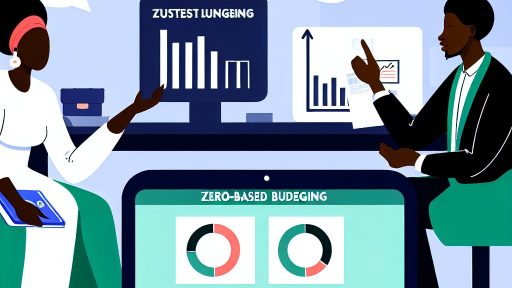
Another popular technique is the zero-based budgeting approach.
This method requires assigning every naira a specific purpose before spending.
Therefore, it ensures that no money is wasted or unplanned.
Additionally, some Nigerians prefer the 50/30/20 rule for simplicity.
This strategy allocates 50% of income to needs, 30% to wants, and 20% to savings.
It helps maintain a balanced financial lifestyle with minimal effort.
Digital Tools Tailored for Nigerian Users
Many Nigerians rely on mobile apps like Cowrywise for budgeting and saving.
This app allows users to track expenses and set saving goals easily.
Similarly, PiggyVest offers automated saving plans and budget management.
Users benefit from accessible financial planning without complex setups.
Moreover, traditional Excel spreadsheets remain popular for those who prefer manual tracking.
These spreadsheets can be customized to fit each individual's financial needs.
Furthermore, platforms like BudgIT provide community-focused financial advice and budgeting templates.
They help Nigerians understand and control their finances better.
Selecting Budgeting Methods and Tools Based on Your Lifestyle
It is crucial to assess your income flow and spending habits before choosing a method.
If you deal mostly in cash, the envelope system suits your needs well.
Conversely, if you receive digital payments, using apps like Cowrywise can simplify budgeting.
Consider how much time you want to dedicate to tracking your finances.
For busy professionals, automated tools reduce effort while maintaining control.
Finally, experiment with different techniques to find what motivates you most.
Remember, the best budget is the one you can consistently follow.
Learn More: The Benefits of Zero-Based Budgeting for Nigerians
Strategies for Managing Irregular Income and Unexpected Expenses
Understanding Irregular Income in the Nigerian Context
Many Nigerians earn income that varies monthly due to freelance jobs or seasonal work.
This irregularity makes traditional budgeting challenging for families and individuals.
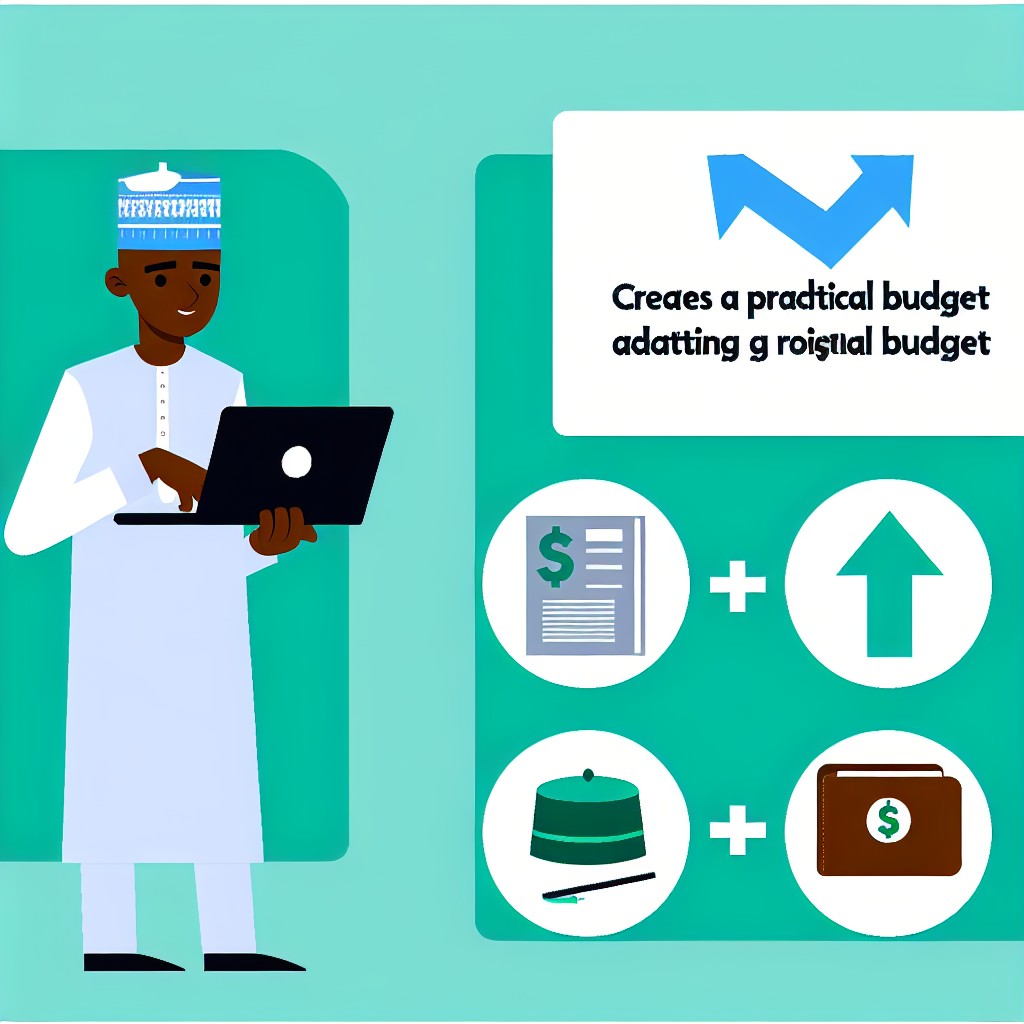
Therefore, adapting your budget to fit these income patterns is essential for financial stability.
Moreover, understanding your income cycles helps you plan expenses more effectively.
Creating a Flexible Budget Framework
Start by estimating your average monthly income based on past earnings.
Then, categorize your expenses into essentials, non-essentials, and savings.
Allocate funds first to essential expenses like rent, food, and utilities.
Next, adjust non-essential spending according to income fluctuations.
Additionally, keep a buffer for savings even when income is low.
This flexible approach allows you to respond quickly to income changes.
Building an Emergency Fund to Cover Unexpected Costs
Unexpected expenses, such as medical bills or repairs, can disrupt your financial plans.
Even small emergency savings can prevent debt accumulation during these times.
Commit to setting aside a fixed amount monthly to grow your emergency fund gradually.
For instance, Chukwuma Nwankwo from Abuja recommends saving at least 10% of irregular income monthly.
When emergencies arise, access to this fund reduces stress and financial strain.
Using Digital Tools to Track Income and Expenses
Many Nigerians utilize mobile apps designed to handle irregular incomes.
Tools like Cowrywise and PiggyVest help monitor earnings and automate savings.
These platforms send reminders and insights tailored to your financial habits.
Consequently, digital tracking enhances your control over variable cash flow.
Prioritizing Payment of Essential Bills Promptly
Paying rent, electricity, and internet bills on time avoids penalties and service disconnections.
Schedule these payments immediately when you receive income.
For example, Ifeoma Okoro, a freelance consultant, uses a calendar to track due dates.
In this way, prioritization prevents unnecessary stress during lean months.
Adjusting Lifestyle Choices During Low-Income Periods
During months with lower income, focus on reducing discretionary spending.
For instance, cut back on dining out and non-essential shopping temporarily.
Cook meals at home more often to save money and eat healthier.
Also, consider postponing large purchases until income stabilizes.
This deliberate adjustment helps maintain financial balance across ups and downs.
Tips for Saving Consistently Despite Inflation and Economic Challenges
Adjusting Your Budget to Reflect Current Economic Realities
Inflation significantly impacts everyday expenses in Nigeria.
Therefore, regularly review your spending patterns to stay informed.
Focus on identifying non-essential expenses that can be reduced or eliminated.
For example, consider replacing costly entertainment with more affordable alternatives.
Additionally, prioritize purchasing goods in bulk when prices are favorable.
This practice helps minimize the frequency of buying at inflated prices.
Automating Savings to Build Financial Discipline
Set up automatic transfers from your salary account to a dedicated savings account.
Automation helps you save before spending impulsively.
Consider working with banks like Fidelity Bank and Access Bank for easy automated saving plans.
Moreover, automatic savings reduce reliance on willpower during tough economic times.
Start with a manageable amount and increase it as your income grows.
Leveraging Local Investment Opportunities
Investing locally can protect your savings from inflation erosion.
Check out options such as Treasury Bills issued by the Central Bank of Nigeria.
Real estate and agricultural ventures also present inflation-resistant investments.
Companies like Coronation Capital offer funds focusing on Nigerian SMEs with growth potential.
Always conduct thorough research or consult financial advisors before investing.
Reducing Unnecessary Debt to Improve Cash Flow
Debt payments often consume large portions of monthly income.
Minimize high-interest debts like payday loans and credit card balances.
Consolidate debts with better interest rates through reliable lenders such as Carbon.
Freeing up your cash flow increases your capacity to save consistently.
Practice discipline to avoid accumulating new debts unless absolutely necessary.
Creating an Emergency Fund for Unexpected Expenses
An emergency fund provides financial security during economic uncertainties.
Aim to save at least three months’ worth of essential expenses.
Store this fund in a high-yield savings account accessible in emergencies.
Consider institutions like ARM Investment Managers for competitive savings returns.
Building this buffer reduces the need to dip into regular savings.
Practicing Mindful Spending Habits
Track all expenses to identify areas of potential savings.
Use mobile apps like PiggyVest or Cowrywise to monitor spending habits effectively.
Focus on buying quality items that offer durability over time.
Engage in price comparisons before making significant purchases.
Over time, these habits cultivate financial awareness and control.
Increasing Income Streams to Complement Savings
Consider side hustles such as freelancing, online tutoring, or agribusiness ventures.
Platforms like Flutterwave and Paystack ease payment processing for small businesses.
Additional income enhances your ability to save and invest despite inflation.
Use your unique skills or hobbies to generate sustainable extra revenue.
This approach lessens the pressure of relying solely on your primary wage.
Adjusting Your Budget During Festive Seasons and Major Social Events
Recognizing Increased Spending Needs
Festive seasons such as Christmas and Eid bring about higher expenses.
Social events like weddings and naming ceremonies affect your budget as well.
You should anticipate these periods by reviewing past spending trends.
Tracking expenses from previous years helps estimate necessary adjustments.
Planning Your Festive Budget
Start by setting a separate budget specifically for festive and social occasions.
This budget must cover gifts, food, transportation, and attire.
Also, allocate funds for unexpected costs like extra guests or last-minute changes.
Prioritize the most important events to avoid spreading your budget too thin.
Strategies to Manage Costs Without Missing Out
Create a gift list with close family and friends to avoid unnecessary purchases.
Use group buying or bulk shopping to reduce the cost of food and beverages.
Look out for festive sales and promotions offered by local supermarkets like Shoprite or Spar.
Arrange carpooling or shared transport to save on travel expenses during crowded periods.
Adjusting Monthly Expenses for Balance
Reduce non-essential expenses in months leading up to major festivals.
Limit dining out or subscription services temporarily.
This approach creates savings to offset higher festive spending.
Review your utility bills and find ways to reduce energy consumption.
Utilizing Extra Income Opportunities
Consider freelance work or side hustles during peak festive seasons.
Event planning or catering services can provide additional funds.
Platforms like Jiji.ng or Upwork offer freelance gigs suitable for Nigerians.
Extra income helps maintain your budget without incurring debt.
Tracking and Reviewing Your Spending
Keep receipts and record all festive expenses in a notebook or digital app.
This practice helps identify overspending areas to improve next year.
Monthly budget reviews enable you to adjust savings and spending habits promptly.
Discussing budget plans with family members encourages collective responsibility.
Monitoring Your Budget Regularly
Consistently tracking your expenses helps maintain control over your finances.
Use mobile apps like Carbon or Wallet.ng for easy expense tracking.
Recording daily spending allows you to spot unnecessary purchases quickly.
Moreover, tracking helps in staying within your set spending limits.
Review receipts from markets such as Balogun or Mile 12 to verify expenses.
Also, compare your actual spending against your budgeted amounts monthly.
This practice highlights areas where you can cut back or need more funds.
Reviewing Your Budget for Continued Relevance
Schedule monthly or quarterly budget reviews to assess effectiveness.
Include family members, like Ifeoma or Chinedu, to gain diverse insights.
Analyzing your income changes, such as salary increments or side hustles, is vital.
Adjust for inflation and rising costs of essentials like garri and petrol.
During festivities or special occasions, adapt your budget to match expenses.
Review your savings goals to ensure they align with your current lifestyle.
Feedback helps determine if the budget remains realistic and achievable.
Adapting Your Budget for Long-Term Success
Flexibility allows your budget to evolve with your changing needs.
Whenever income fluctuates, adjust your spending and saving plans accordingly.
Respond to emergencies by reallocating funds in your budget promptly.
Identify patterns that require lifestyle shifts to avoid debt accumulation.
Incorporate new financial goals like buying property or starting a business.
Consider inflation trends and currency devaluation when planning ahead.
Stay motivated by celebrating milestones such as clearing a debt or reaching savings targets.
Tools and Tips for Effective Budget Management
Leveraging Technology
Download budgeting apps tailored for the Nigerian market to ease management.
Set reminders for bill payments to avoid late fees and penalties.
Use spreadsheets to create customizable budget templates for your needs.
Building Support Networks
Join local financial literacy groups or online communities for shared learning.
Consult financial advisors like Olufunke from Lagos or Tunde from Abuja for expert advice.
Exchange budgeting tips with friends and colleagues to stay accountable.
Maintaining Discipline and Consistency
Commit to regular check-ins to ensure you follow your budget faithfully.
Avoid impulse purchases by planning your shopping trips carefully.
Keep track of progress and adjust plans without fearing setbacks.